
Inefficient bus journeys followed by the famous KKH (Karakoram Highway)
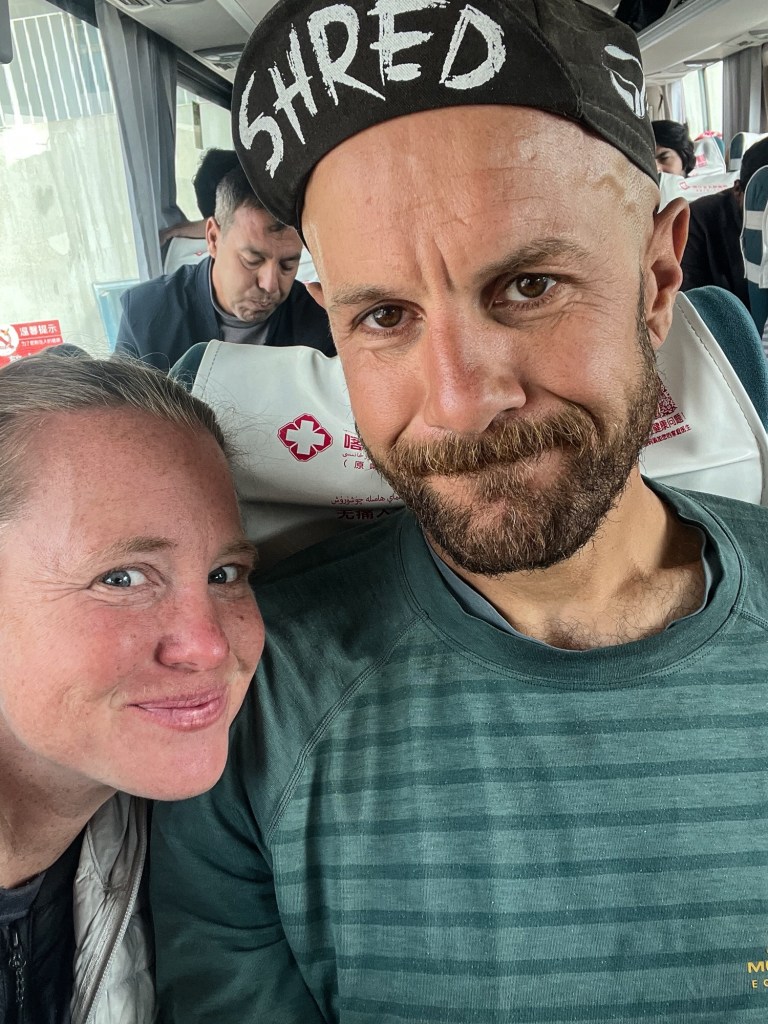
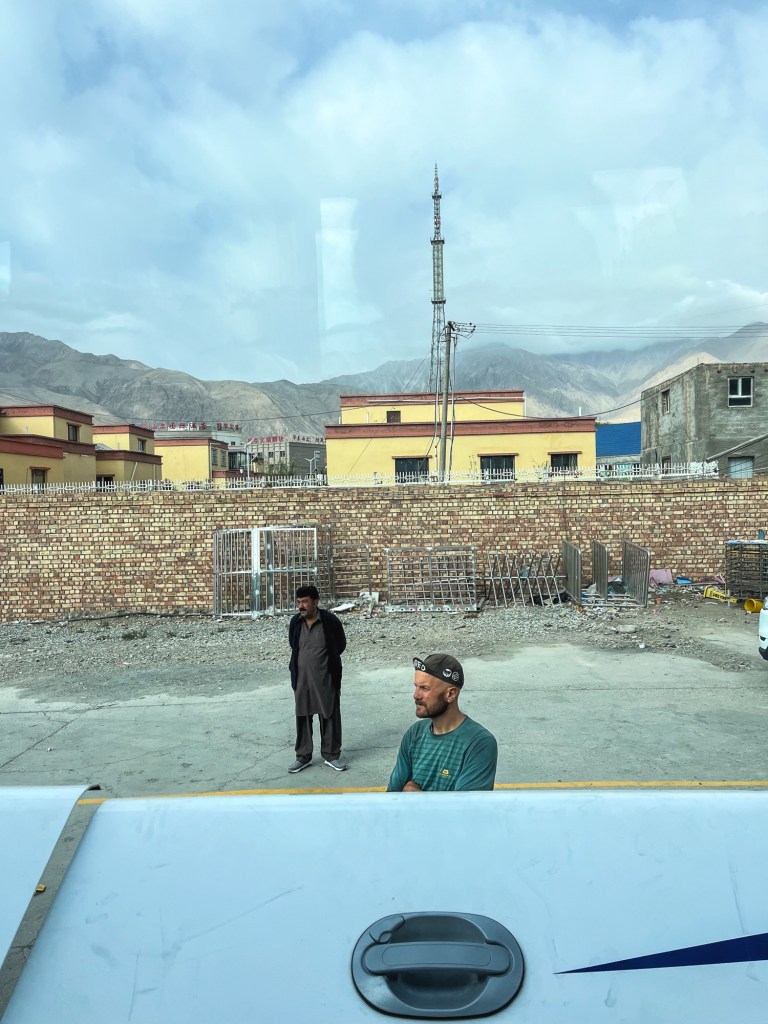
The highest border crossing in the world has to be done with a bus. Arrangements are made just before departure, bikes packed neatly in the storage room of the bus and off we go. 10 minutes of driving and the complete bus including the luggage (and our bikes) is unloaded again for customs.
The border area presents dramatic views of snow-capped peaks and after a few hours in the bus we arrive in Soost. We say goodbye – for now – to the lovely people we met in Taxkurgan and we soon find our way on the famous Karakoram Highway (KKH).
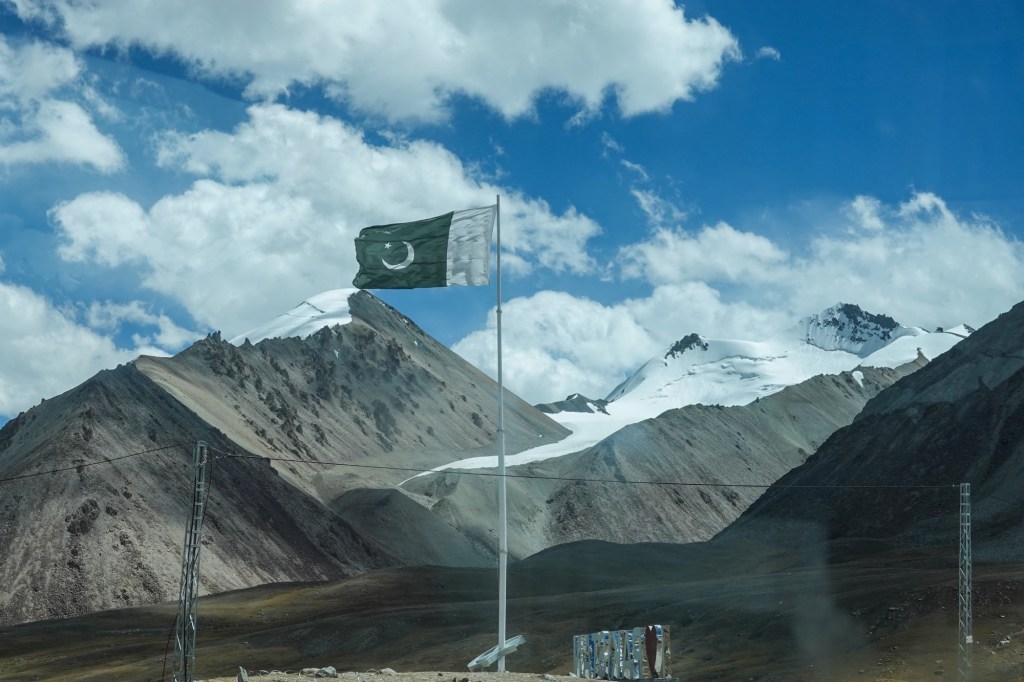
Hello Gilgit-Baltistan
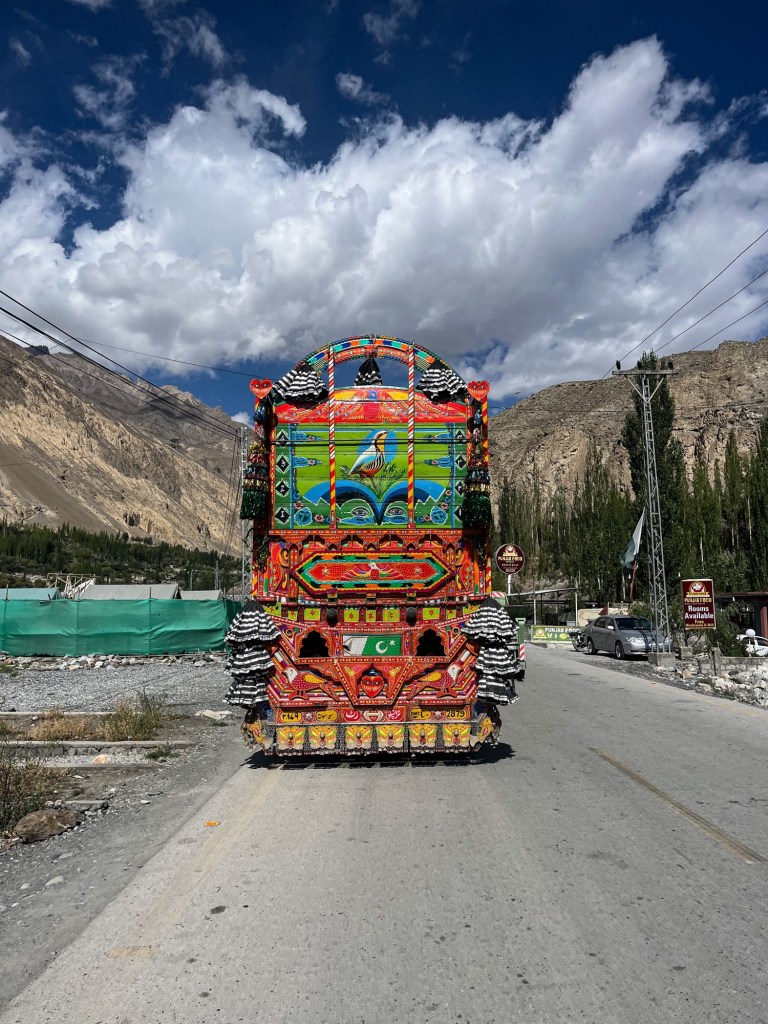
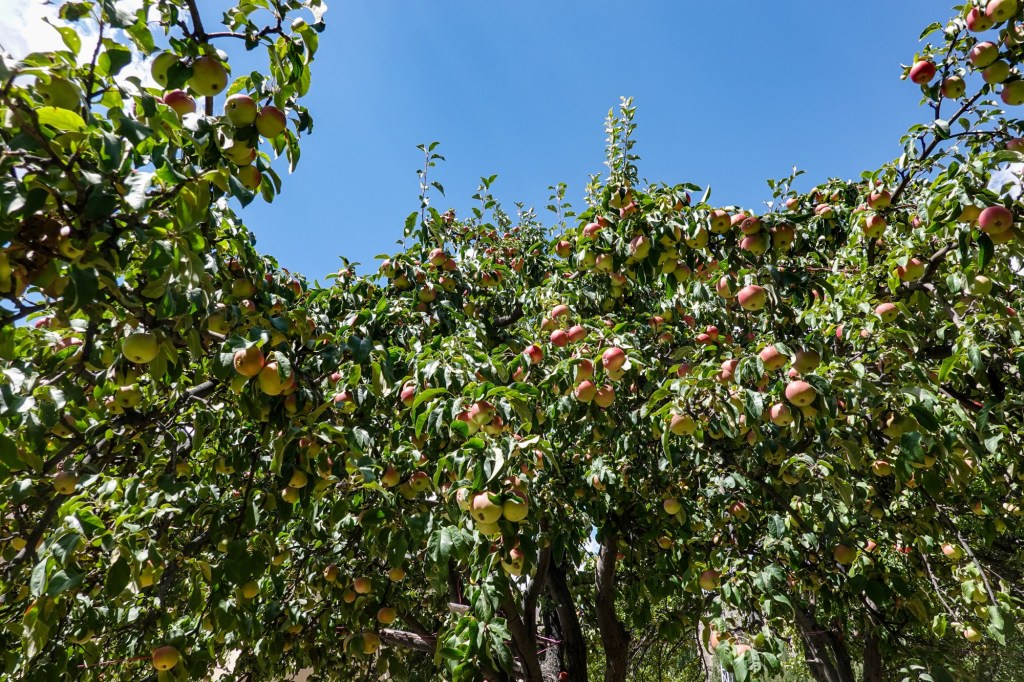
We arrived in Gilgit-Baltistan, a disputed area, administered by Pakistan. The GB (Gilgit-Baltistan) on the license plate is a friendly reminder that we have to drive on the other side of the road. Takes a few days to get used to. The roads get busier, the smell of tarmac blends with the ripe apples hanging in the trees and the area becomes more populated. We clock in some kilometers on the famous KKH and enjoyed the unbeatable hospitality.
We had a lot of respect for the country change. Fuelled by the news and our lack of knowledge about the different regions. Soon we will be proofen completely wrong of our anticipated worries. Also it’s the first country since we have left, where almost everyone speaks english. It feels great to have deeper conversion (beyond google translate) and also asking for advice is way easier that way. The official language is Urdu, yet often business is conducted in english. Next to these two languages there are around ten others in Gilgit- Baltistan. Not a dialect, like in alpine valleys, but completely different languages, in their origin and writing. Similar complex is the history of this region and each single valley.
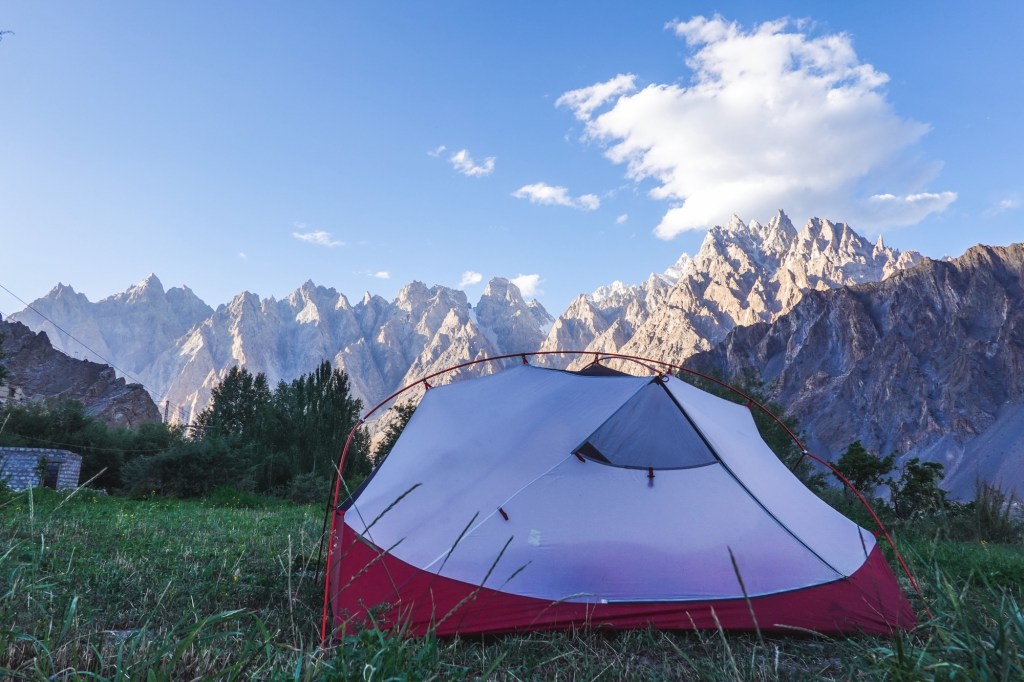
Our goal is Passu, a small town, with the dramatic cathedral like view of the Passu Cones. Camping is easy as most of the guesthouse offer an area where a tent can be pitched for a more than fair price.
Via 7th most dangerous road to Shimshal
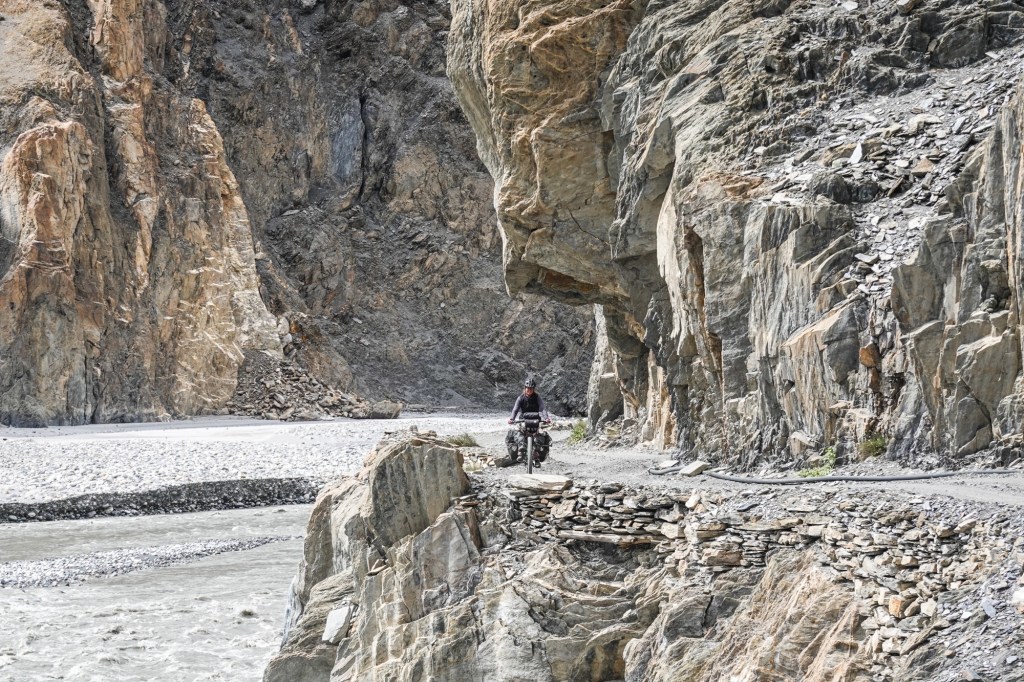
Our next goal is a adventurous dead end road towards the remote Shimshal Village. Happy to change tarmac for gravel again (well it’s been only four days cycling on asphalt since we left Tajikistan – but still). The road is a community project, built over a span of 10 years – a masterpiece of construction and for anxiety – following the Shimshal river for 50kms. The road is constantly improved or repaired. It was finished in 2003, before that the village could only be reached by foot. The canyon is steep – for some kilometers we drive next to the scary cliffs plummeting hundreds of meters into the river. We’re happy to be on bikes and ride as close as possible to the wall. The overhanging rocks and the loose gravel seems safer than the cliffs. Cycling helmets = safety for rockfall.
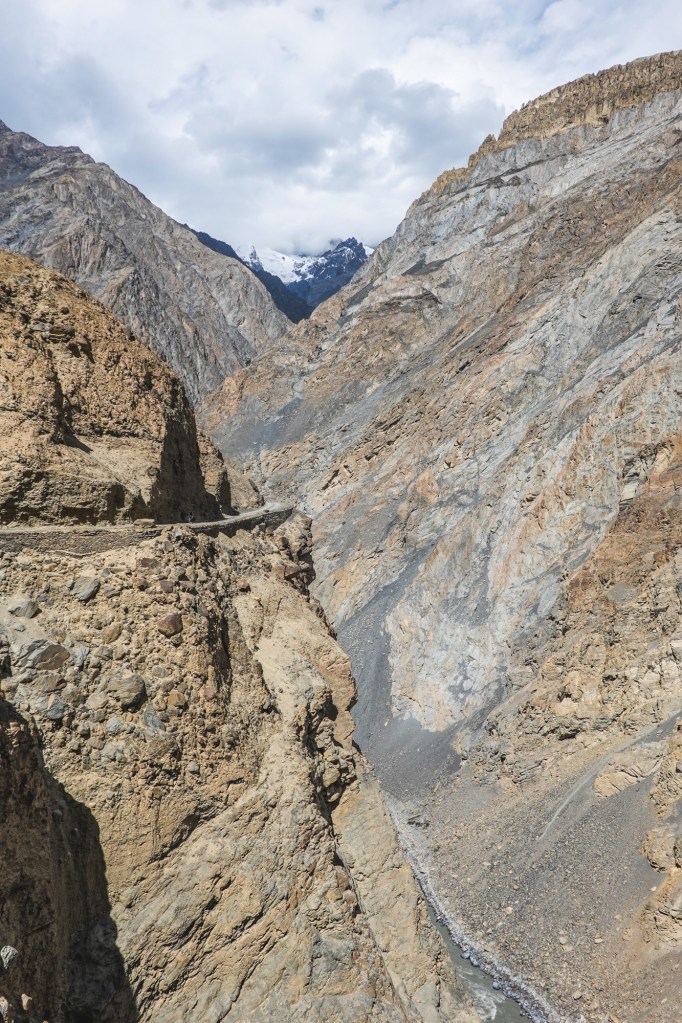
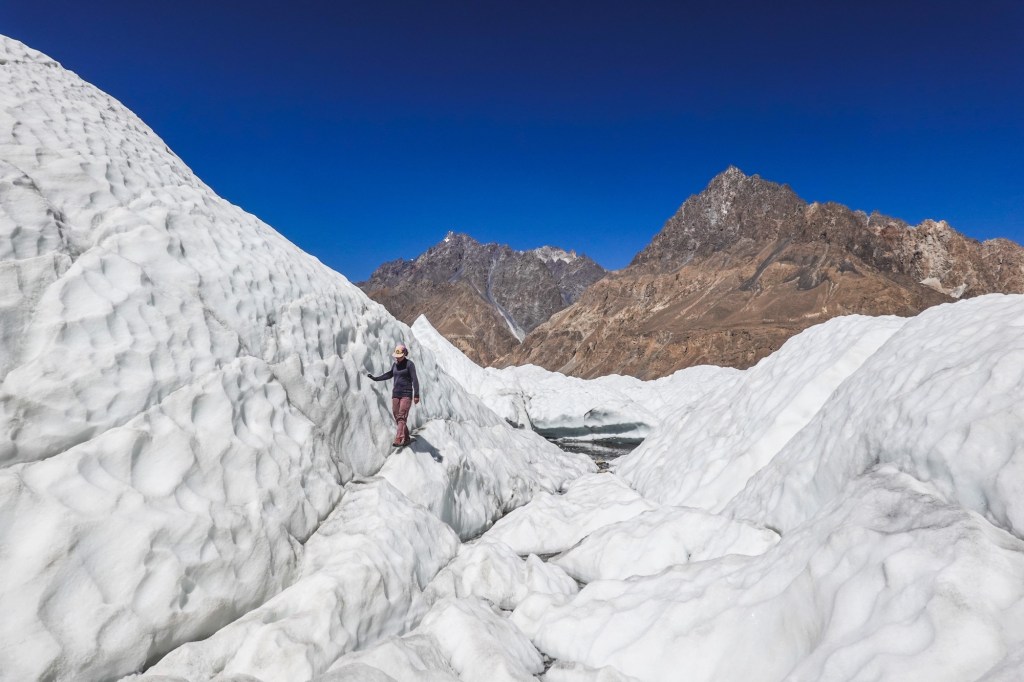
Shimshal is located on 3000meters. Here the traditional language is Wakhi, an indo-european language written in Arabic letters. Every other person is an alpinist, porter, guide or all at once. Out of the 3 pakistani women that summited K2, 2 are from Shimshal. The connection the people seem to share with the nature surrounding them is unique as well as the sense for community. We get the kind advice that hiking in this region is better be done with a local guide and so we only do a little glacier walk and postpone our idea to do a bigger hike for another time (Spoiler: we ll be back even sooner than we thought).
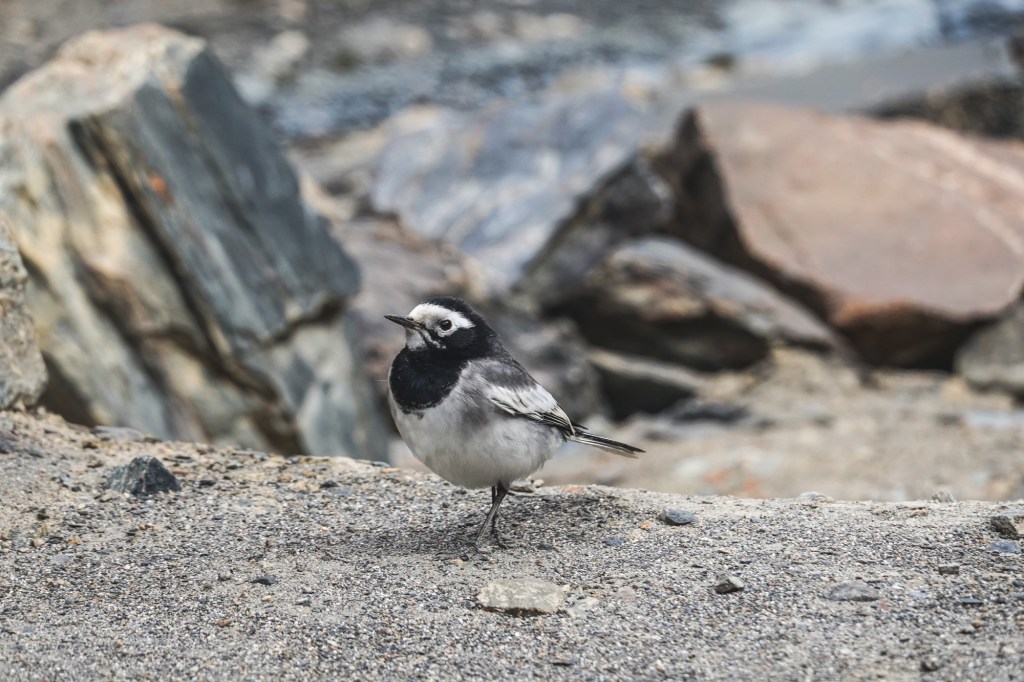
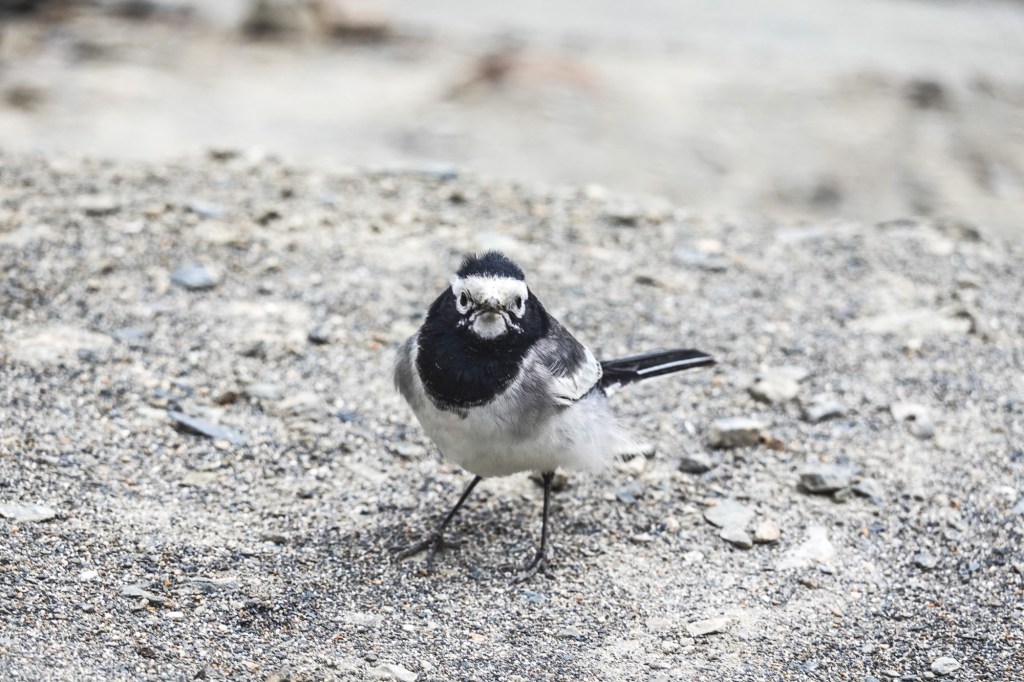
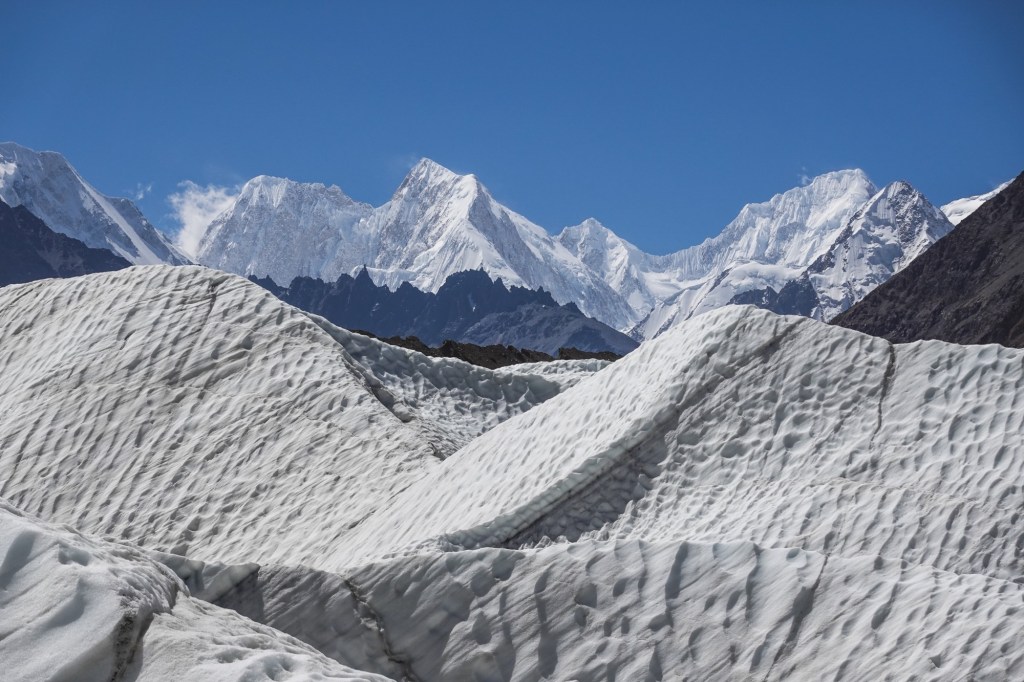
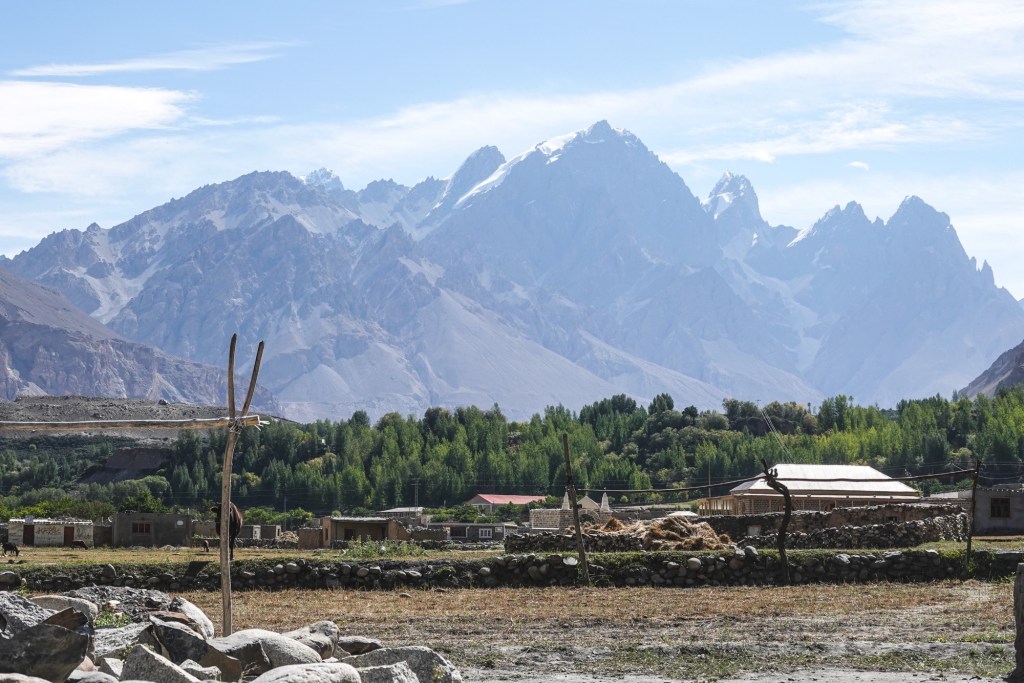
The ride out of the valley was almost as exhausting as the way in with the headwinds and we’re happy to be back in Passu with a lot of sand between our teeth.
“Hunza is not a place its an experience”
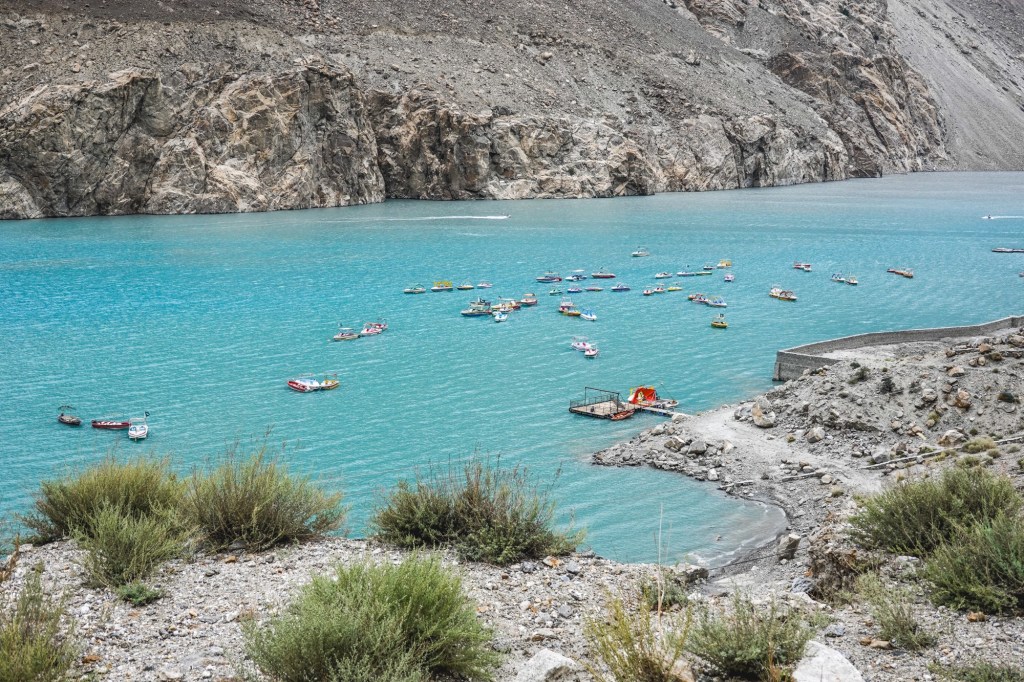
We ride towards Attabad lake again following the KKH. A series of tunnels was built on the highway after a huge landslide flooded the area in 2010 and created the crystal blue lake. We meet a cyclist (who we already met on the Tianshan Traverse) that has been on the old road and a few months later was transported with temporary ferries as this event has occurred during his stay.
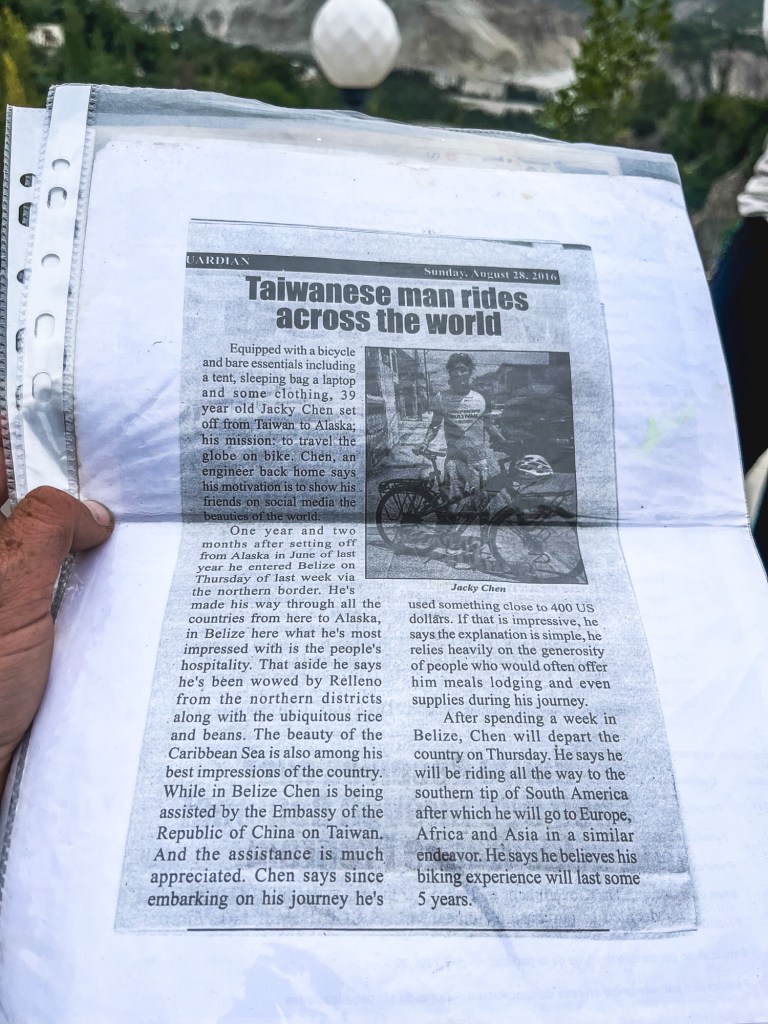
Making our way to Aliabad, a city in the valley of Hunza, where we plan to take a little rest in a newly established wonderful hostel. Also we briefly encounter an international legend – a taiwanese cycling the world for years.
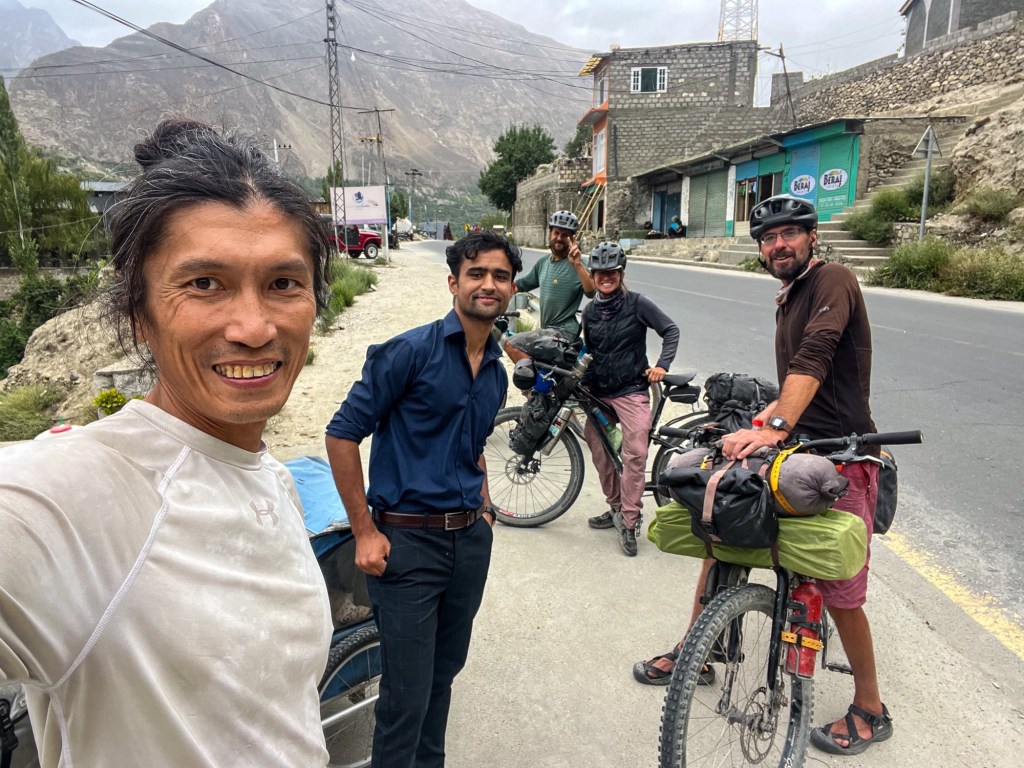
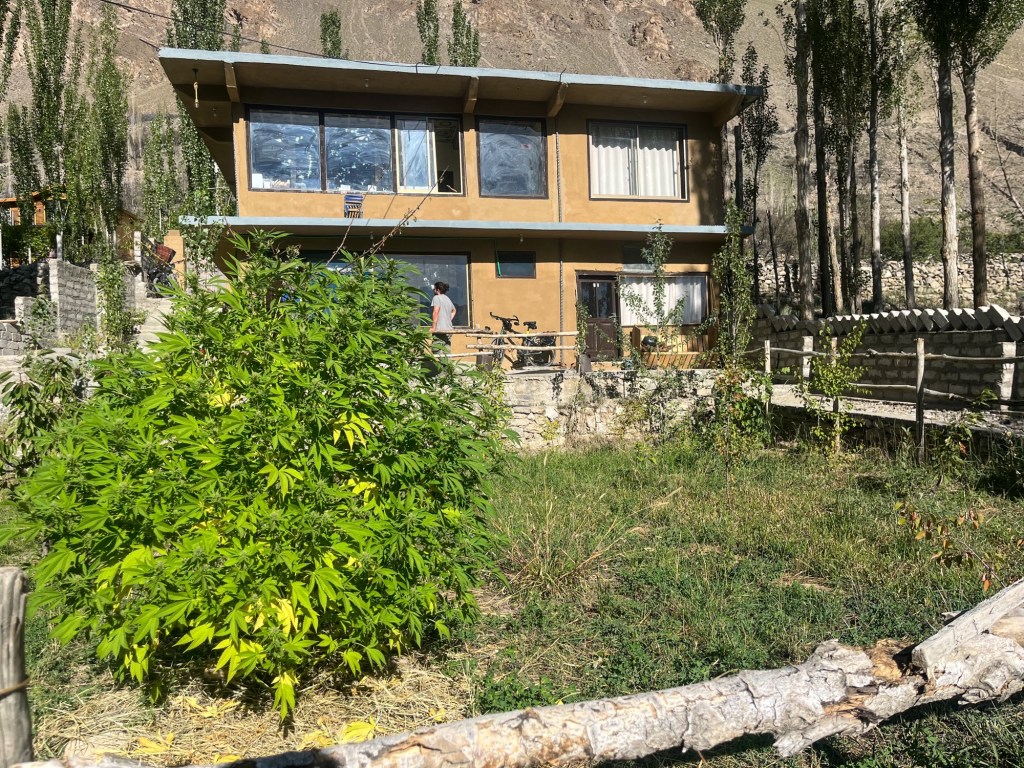
Upon arrival at the Nomads Hostel the hostel appears to be overtaken by cyclists that day. The guesthouse sits enthroned over a beautiful garden, surrounded by trees and terraces – perfect for camping. Its a place where long term travellers meet and some stay way longer as intended (so shall we). The staff who runs the place is beyond helpful and has inspiring mountain and life stories to share. As they share with us: “Hunza is not a place its an experience”. In this area the local language Burushaski which is an isolated language.
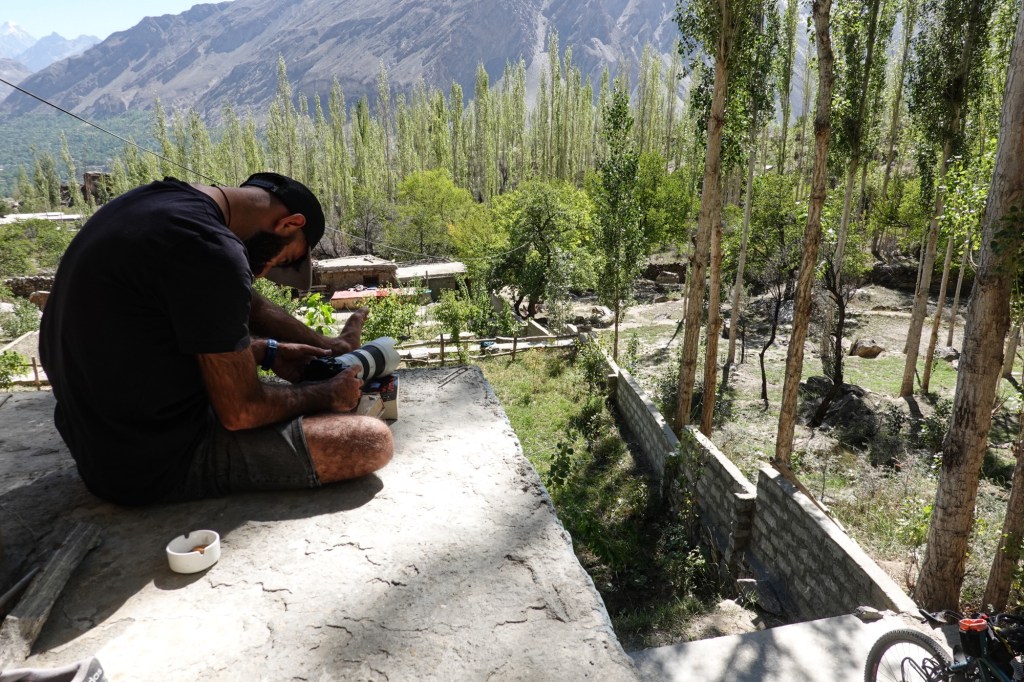
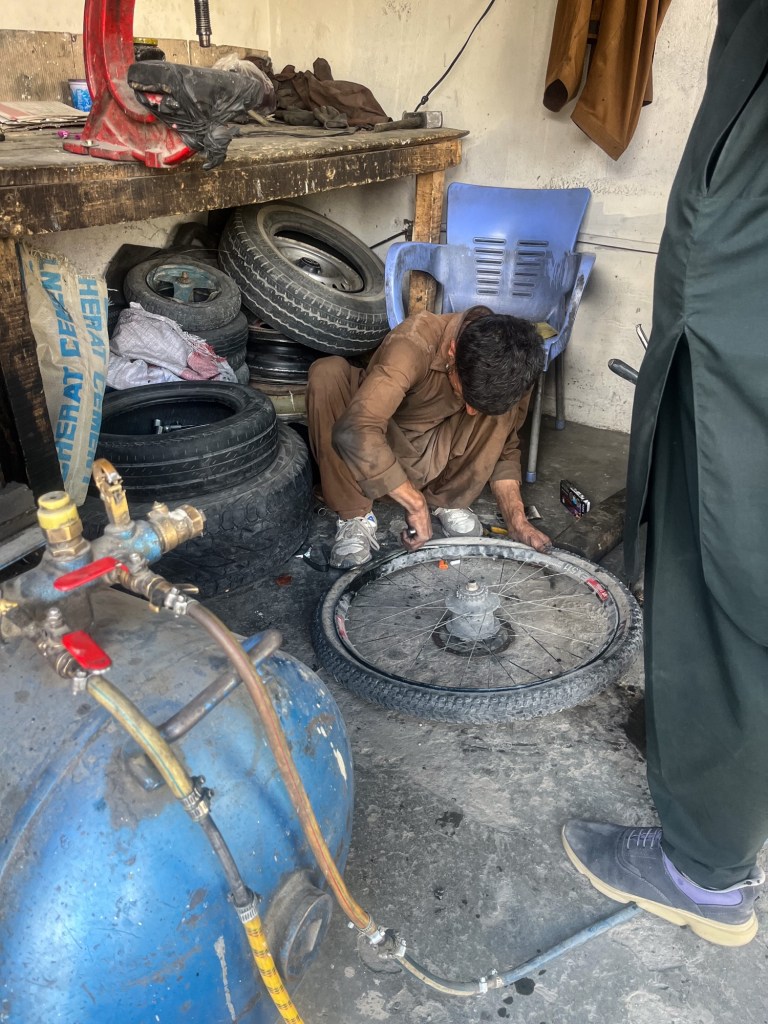
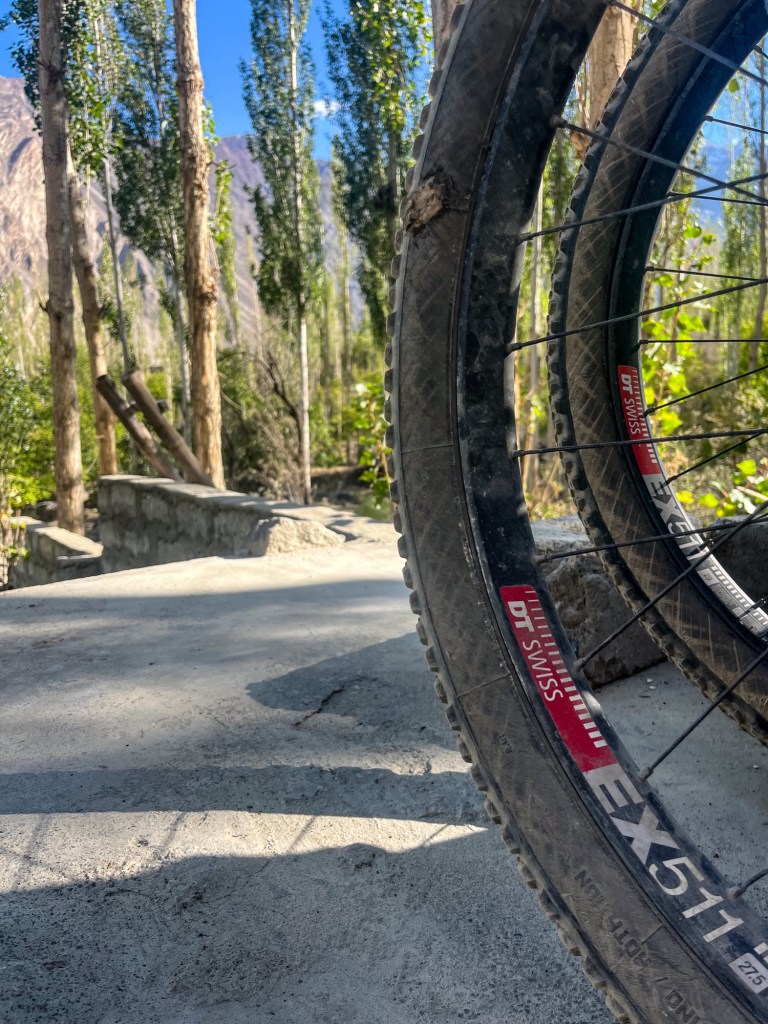
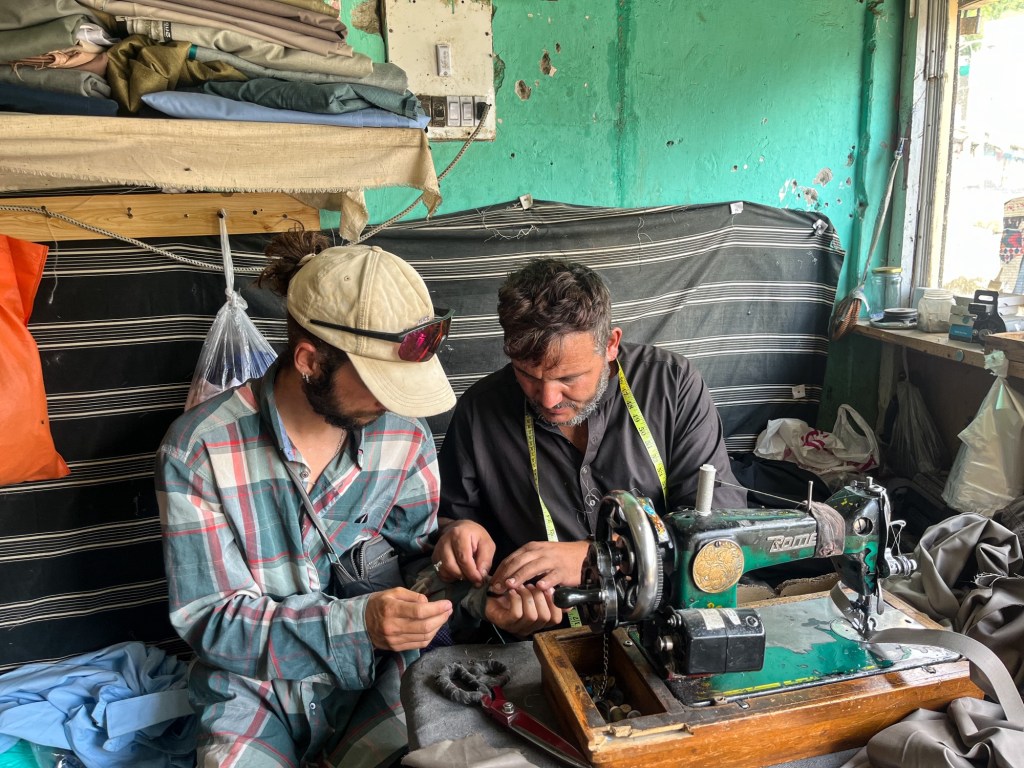
One day is spent repairing pants, shoes, tires and do some shopping. The hole in Julia‘s tire has been causing problems the past days – the four plugs and the chinese sealant don‘t seem to do their job anymore. The profile of the tire is still surprisingly in good shape and so it would be waste to replace it. Tetermined to reach 10000 km on our Mezcal Vittoria, we search for a specialist. A shop at a gas station specialises on tire repairement. The missions starts and the master does not allow and interference. A gentle hint by a another customer: “He knows what he is doing. Don’t hurt his ego“ when asking to be a bit more careful. Julia backs off “Okay okay” – not liking the sound the rim and disc break make while being dragged over the floor, but hoping for the best. The inside of the tire is double taped and sealed and the outside is repaired with glue and !!the filters of two cigarette!! This quick fix, for now, works like a charm, the tire seals again (and the disc break is also fine).
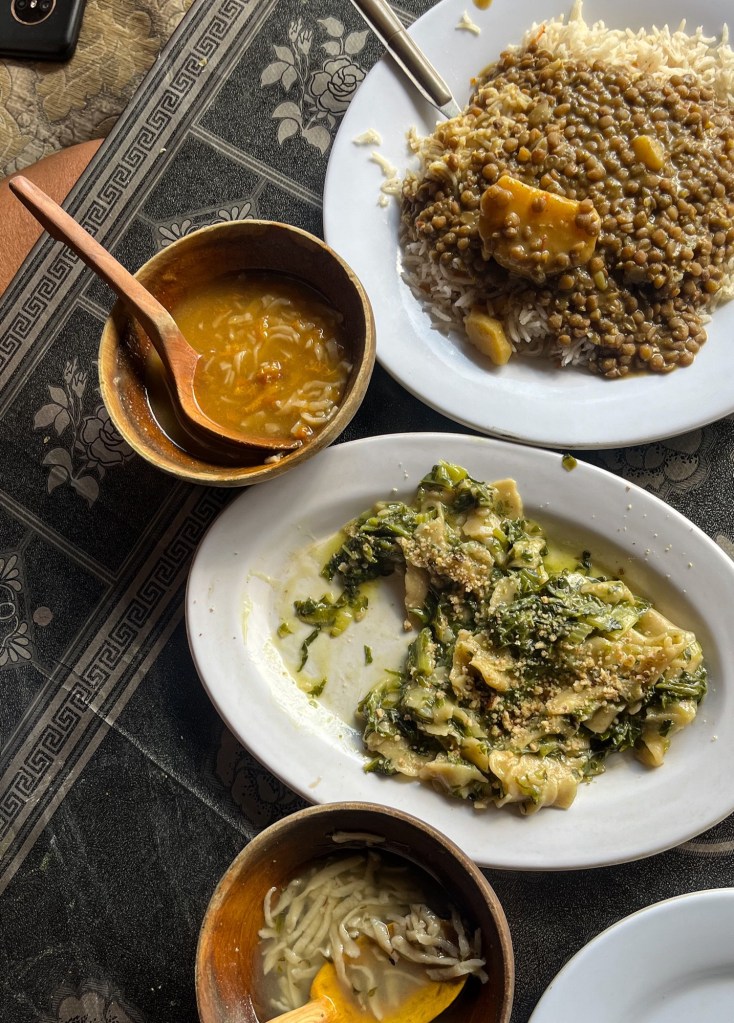
The other day we check out the best cafes in Karimabad and find a unique place where every coffee is freshly hand ground.
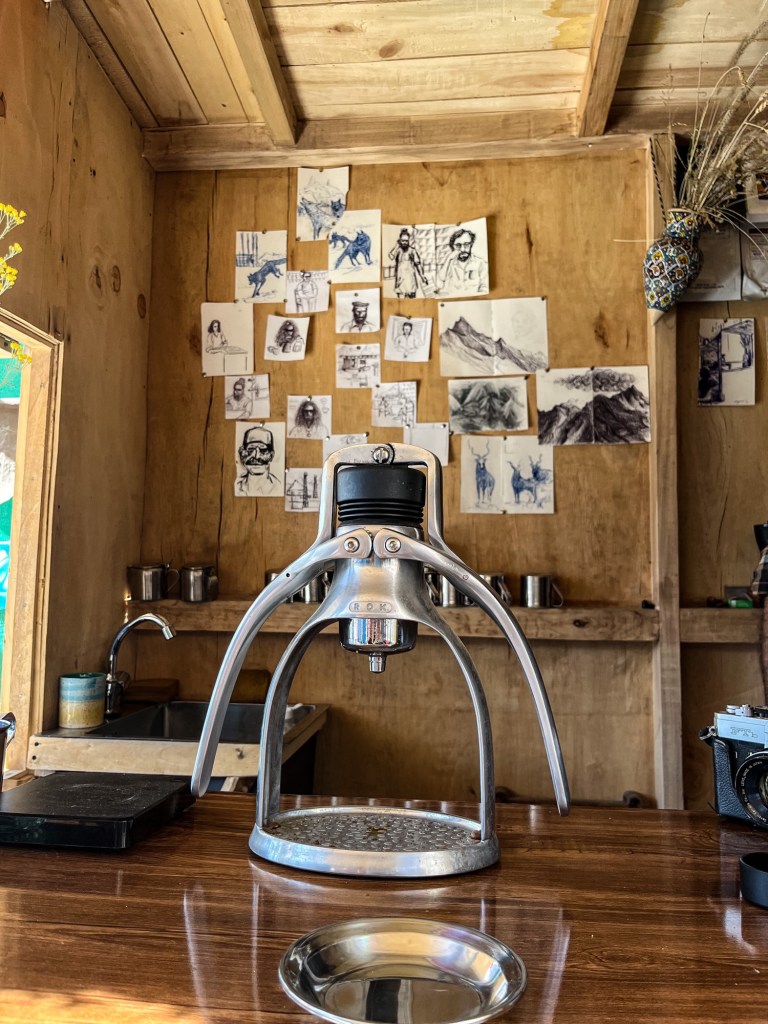
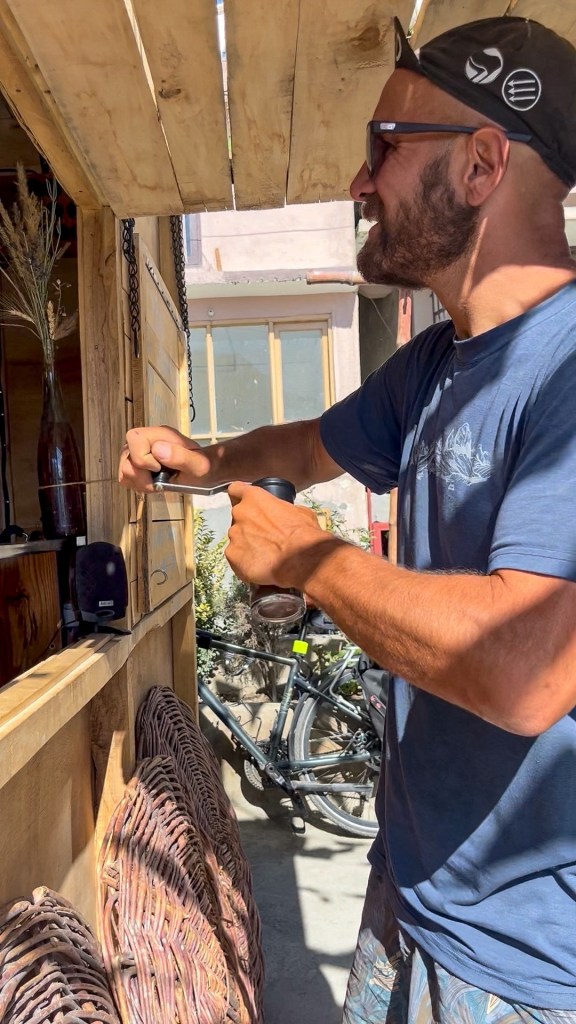
“Hunza is not a place its an experience”
We have to postpone the hiking plans as Julia spends one day – involuntarily – in the tent. Hello stomach bug! With the mission to finally use our backpacks which we have been carrying on the bikes for months, we intend to explore some hikes on this region. The next day we head out with Pascal to the Rakaposhi Basecamp. We hitchhike to the next village and catch a ride on a tractor, transporting oil, to the trail head. The slippery ride requires all of our core strength. Serpentines in the afternoon heat, followed by a lovely path through a forest until reaching the first basecamp.
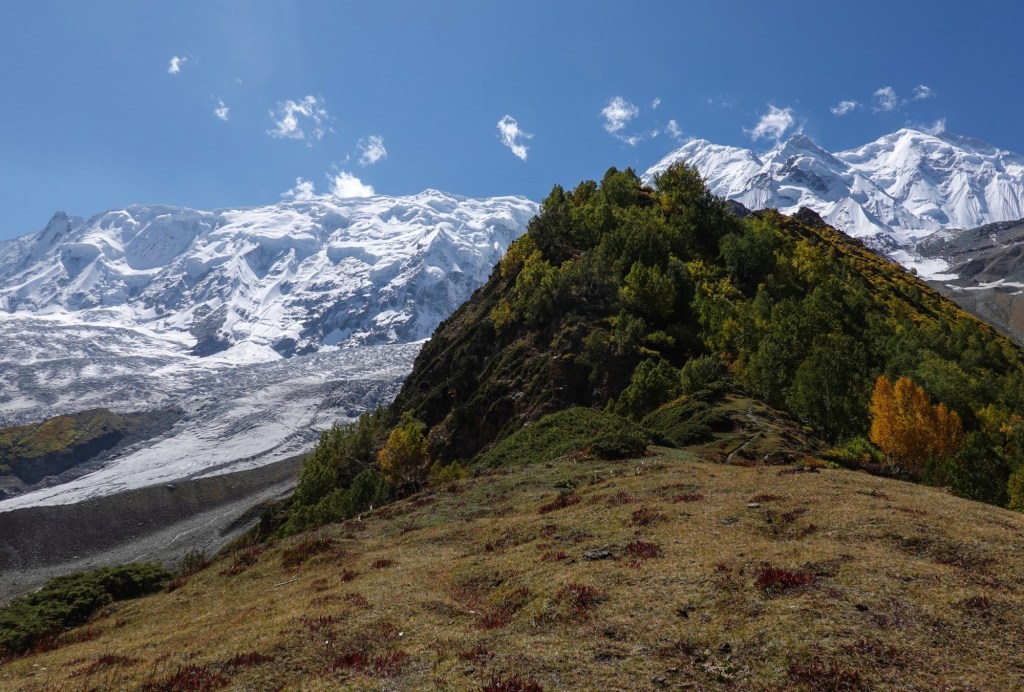
We encounter some goats accompanying us – smelly and stubborn – they set their mind on blocking our way. Upon arrival on the ridge the Minapin glacier presents itself in all its glory.
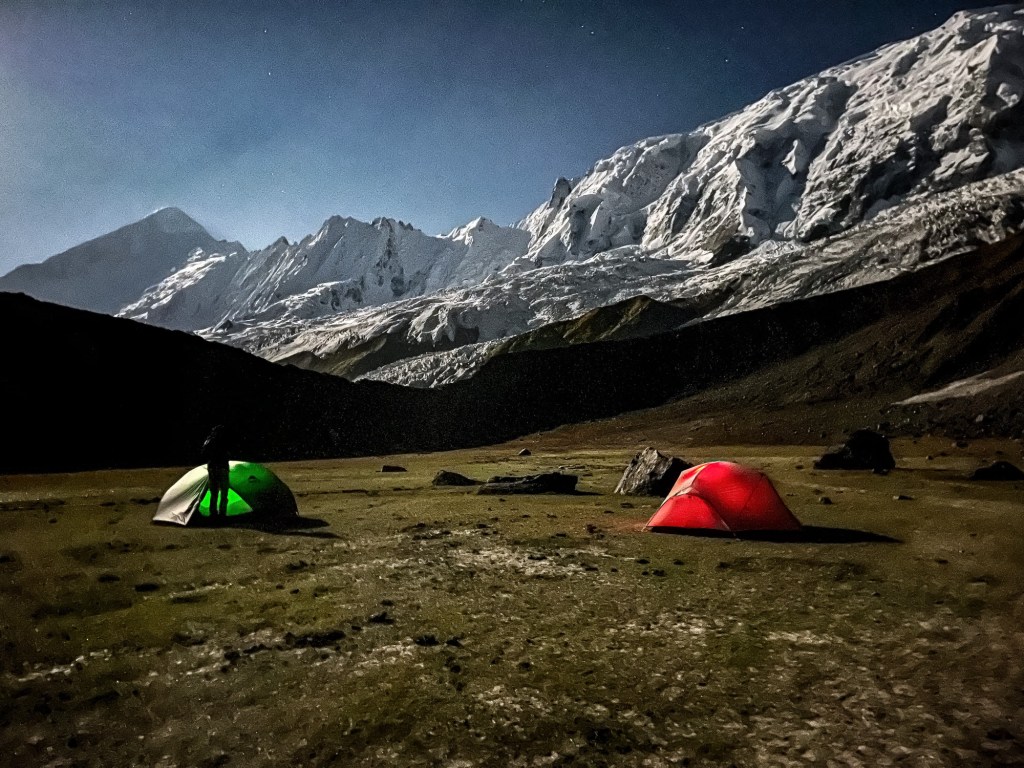
What a wonderful place! We set our camps up in the eye of the mighty Rakaposhi (7788m). The full moon lights the peaks and casts a shadow on our tents. We enjoy the goodnight story as Pascal records his Podcast.
The morning is spend on the viewpoint with coffee and 360 view of the area. Autumn paints the leaves on the white canvas of the peaks. Julia takes a little walk on the glacier, eager to be on ice.
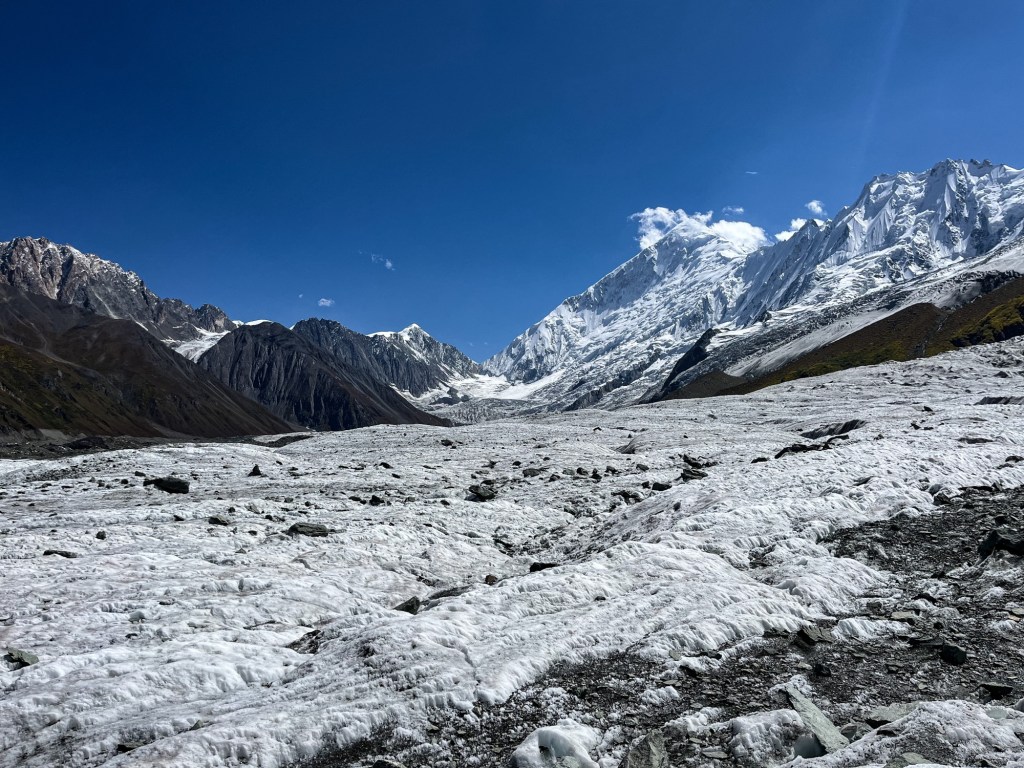
By chance we meet someone that did a tour with a guide without porter support to a fairly easy 6000 meter peak (so to say in alpine style). One meeting and two days later we find ourselves waiting for the transport back to Shimshal valley. As the car was broken that day an alternative van was arranged and we got the feeling everyone in the bus was slightly nervous about it.
Back to Shimshal and beyond
The hierarchy of a van: Two elderly men sit in the front. The second row is dedicated to the women and children. The rest behind. In total we are 14 people, let’s just say: this is a „few“ more people than seats. A bus ride really brings people together. While Ralfi is chatting, trying to ignore his numb legs; Julia soothes the car sick neighbour and plays with the baby on the other side. On a road like this fears are laughed away, car sickness is eased with gentle backmassages and the passengers are brought closer together with stories about alpine adventures. During the scary kilometres the chatter gets louder, the humming to the music intensives and the muscles tighten up.
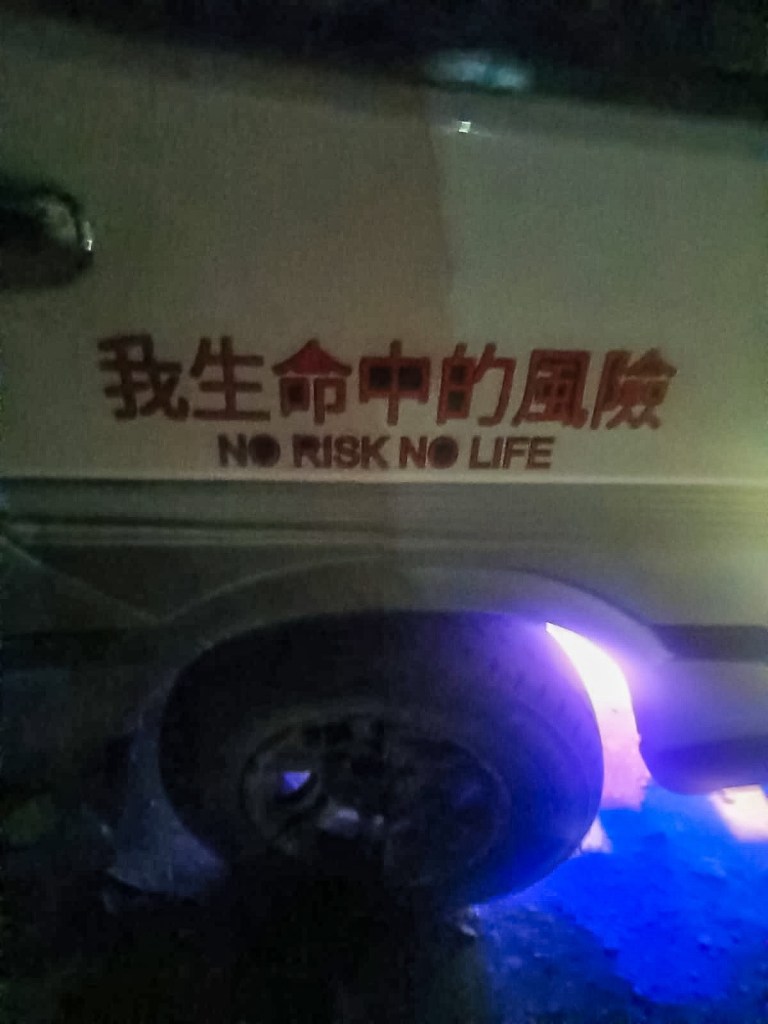
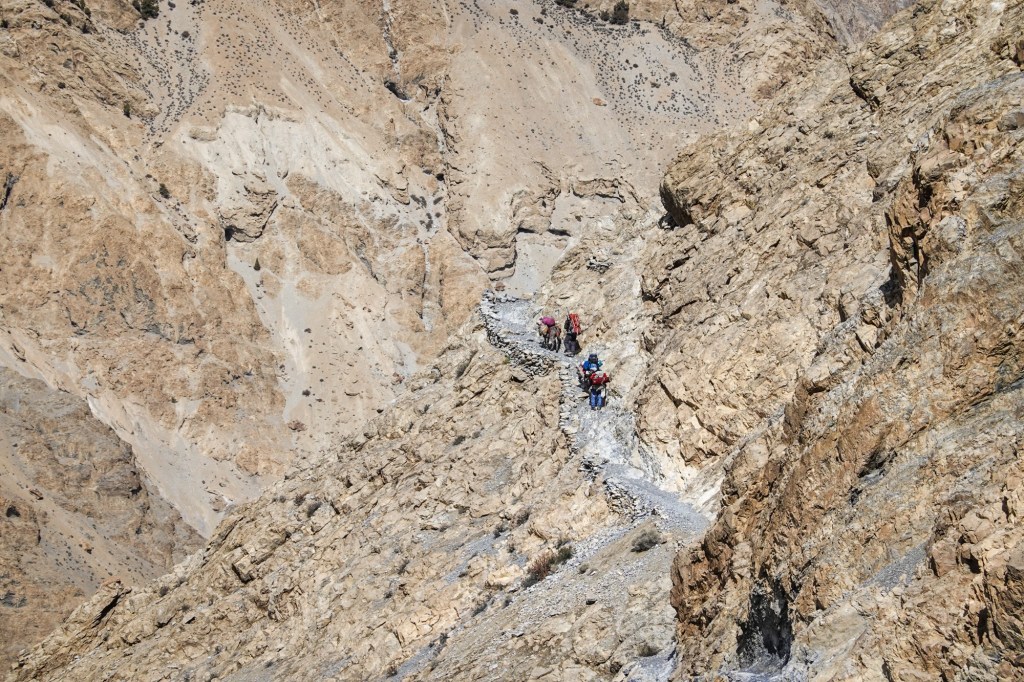
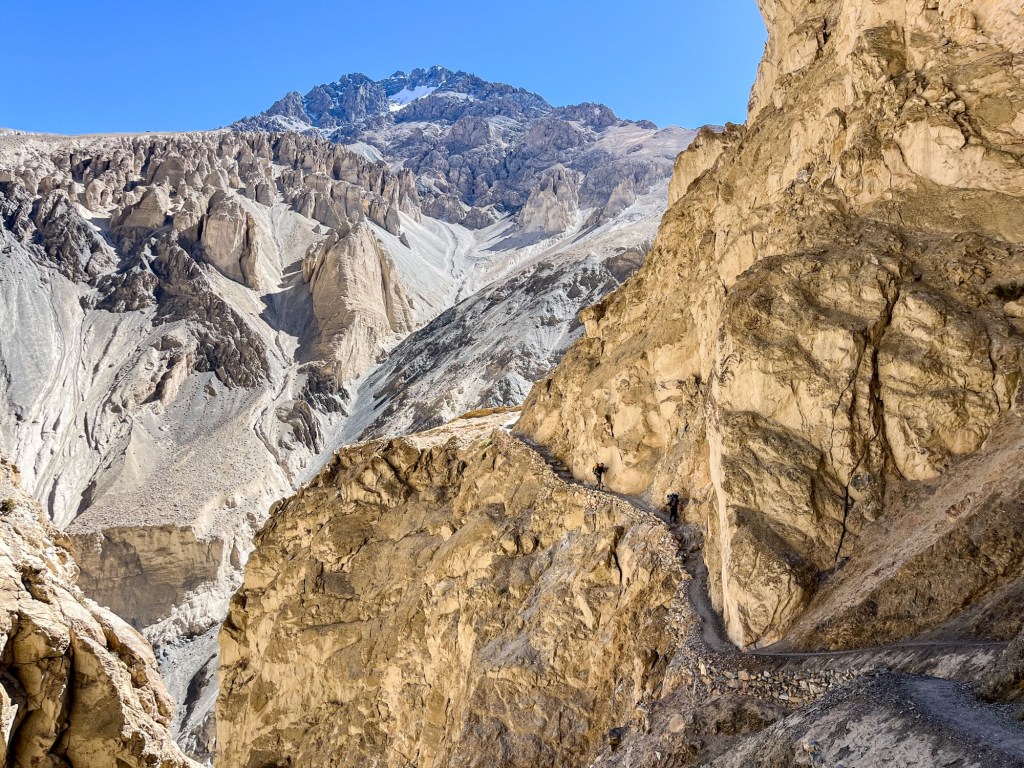
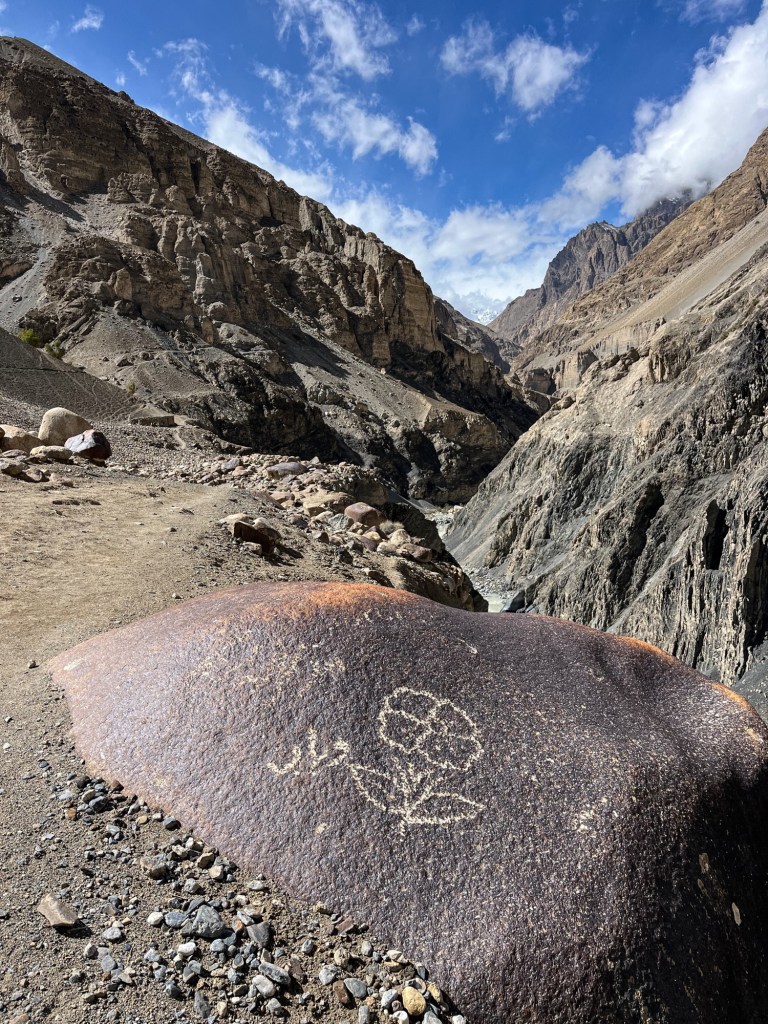
But we arrive safely late that night and are welcomed with a delicious dinner by Naveed. Naveed is a Shimshali local with a love for skiing. He has his own guiding company and is eager to build up a backcountry skiing community/ business. Inspiring to hear the many opportunities the breathtaking nature offers. We do a gear check and Naveed is arranging the missing pieces. In the next afternoon we start the hike towards Shimshal Pass. The way leads through a canyon, the track is steep and leads over loose gravels. The track, similar to the road to Shimshal, is supported by rock walls that are maintained by the community. We barely gain elevation but clock in altitude meters on the ups downs along the river. We spend two half days and a full day hiking up to the pass and the camp at the lake.
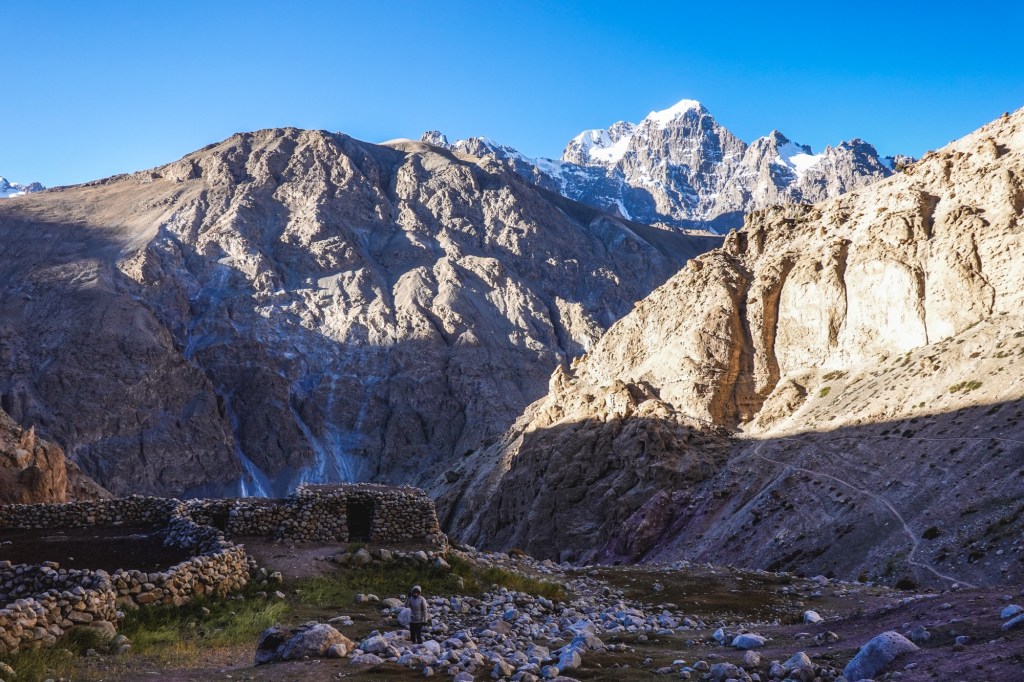
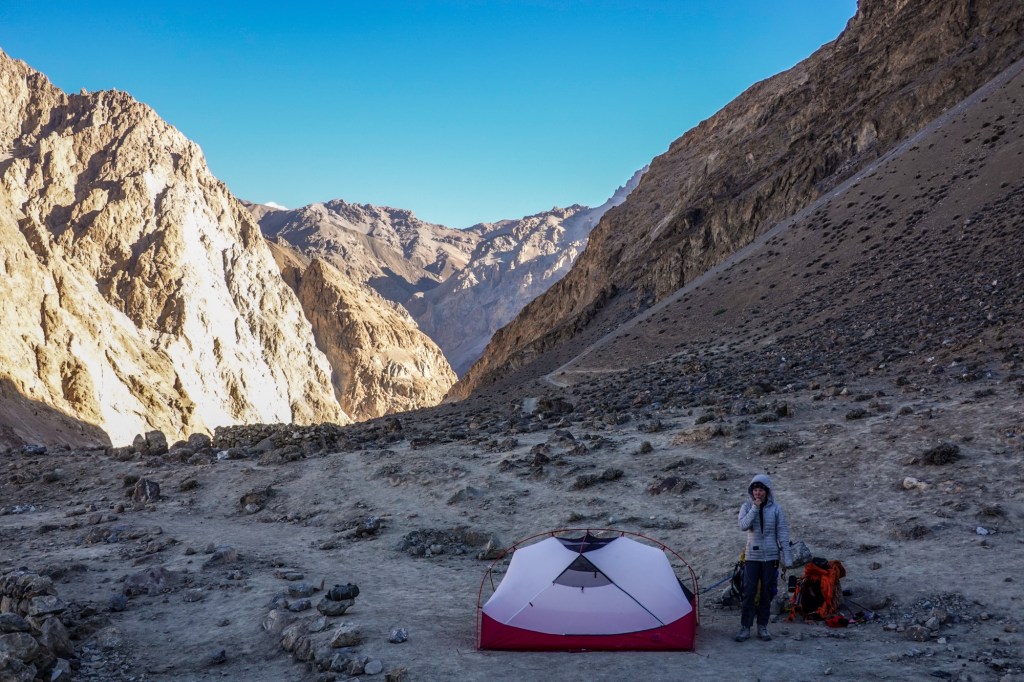
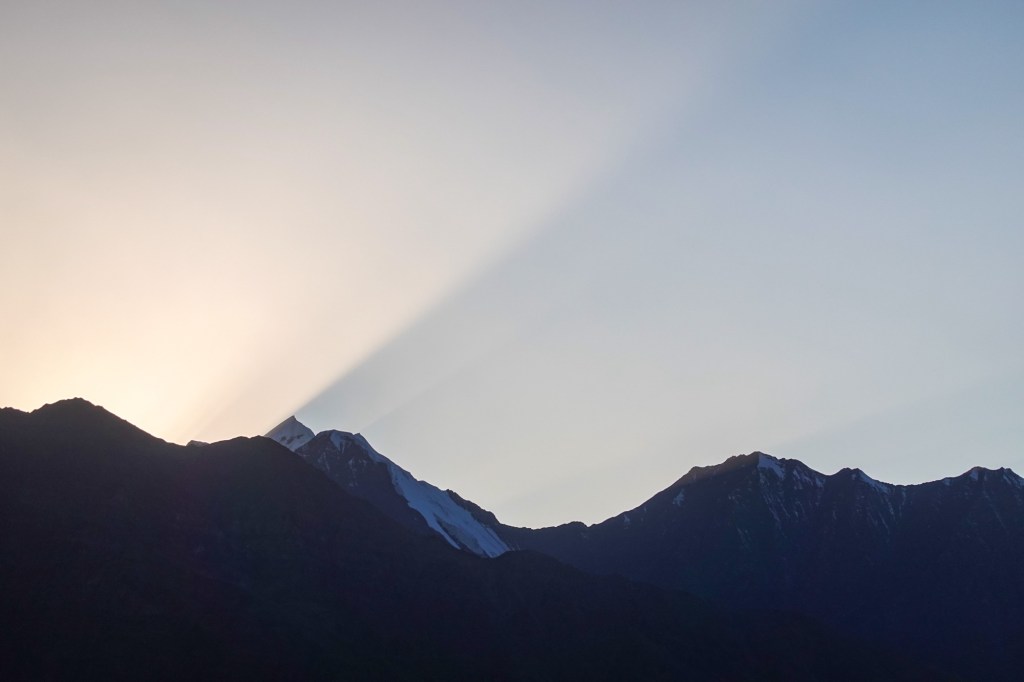
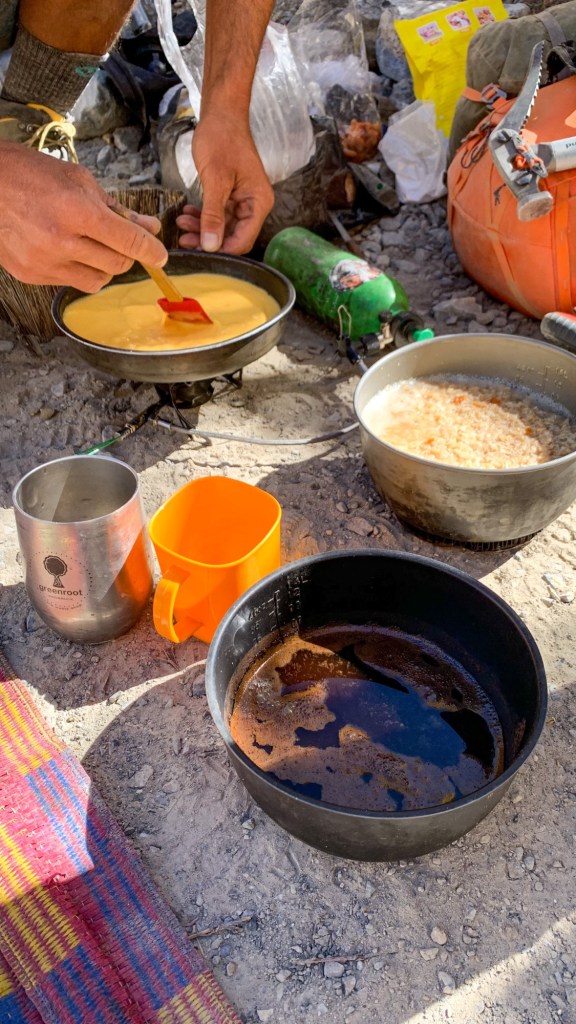
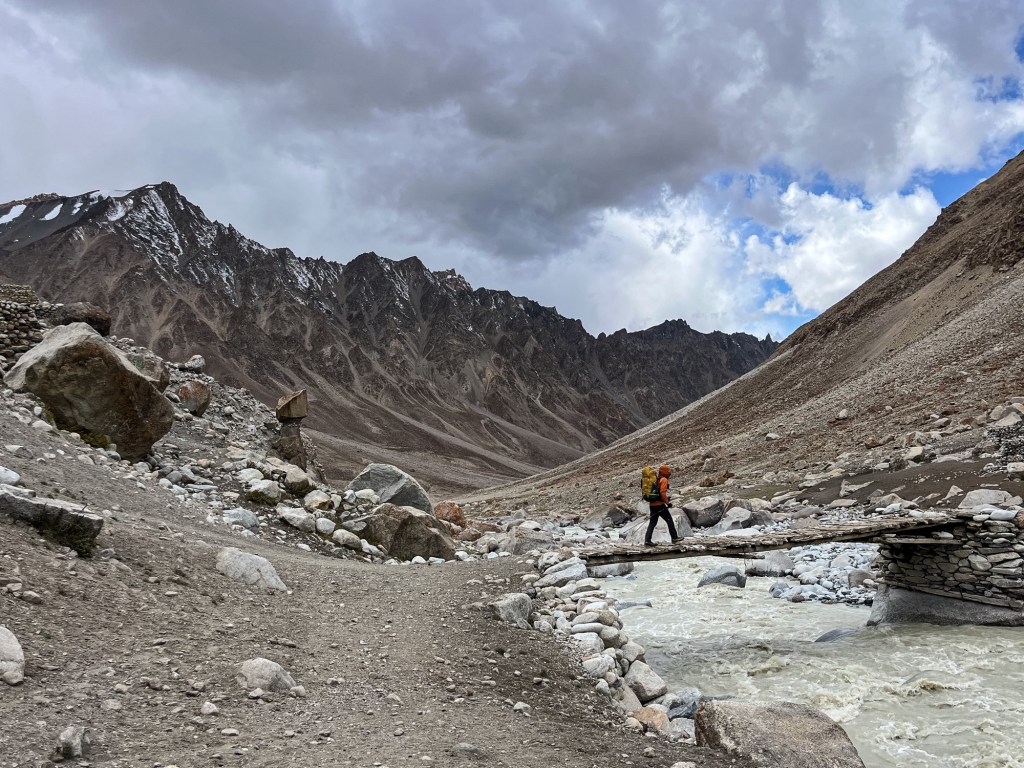
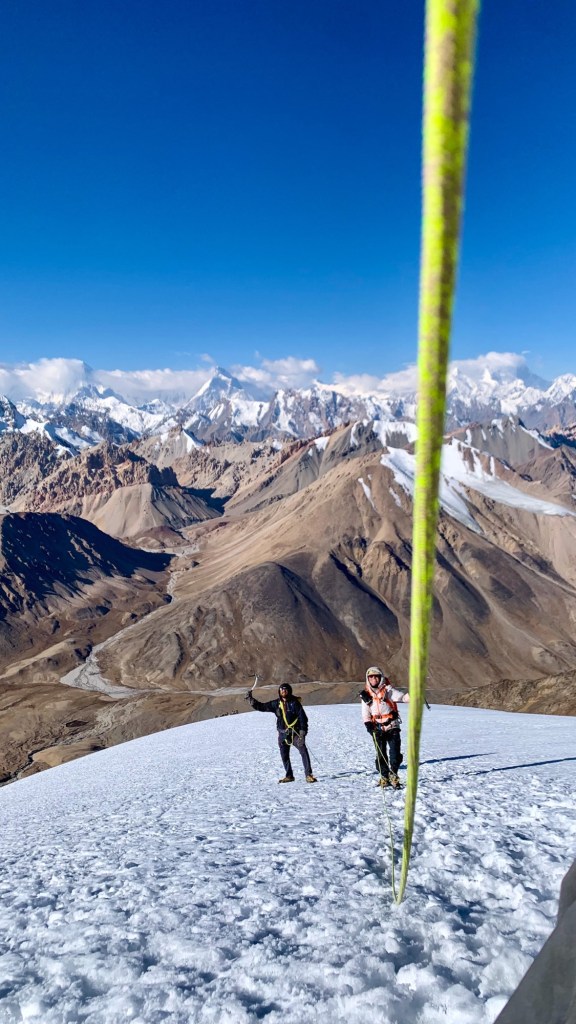
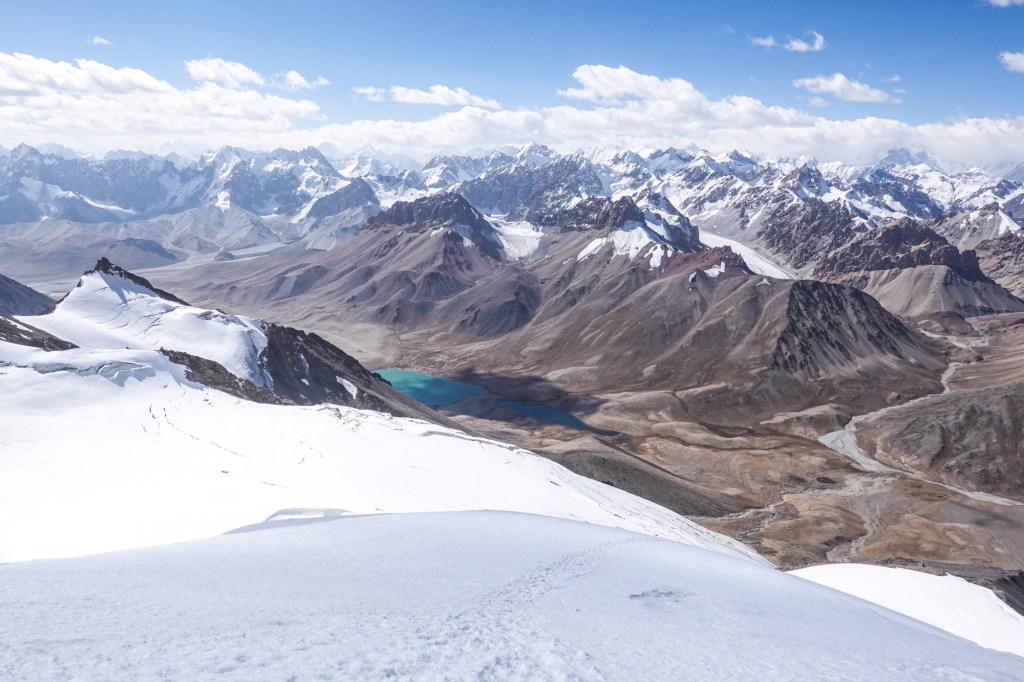
The next day we start before sunrise the ascent to Minglik Sar (6050m). Sar means the “head” the “top”. From the camp at 4700m it’s a direct way up. The last 400meters are on a glacier – not technical and pretty straightforward. The „local natural oxygen = dried apricots“ seem to work their charm and we handle the altitude pretty good. On our first visit we were warned that some dangerous cravesses open up – which turned out to be 20cm. On the summit the view is spectacular, Muztagata (7546m – which we passed on the way to Taxkurgan), Kunyang Chhish (7852m in the Hisparrange), some peaks in the Baltura Range (forgot the names) and even K2 (8611m) and Broad Peak (8051m) in the far distance. Its simple breathtaking – we’ve never seen such untouched glaciers like this before. No cable cars, no roads, no hotels. The glaciers clinch to the rough granite pinnacles and wind into the valley where they lie soft and calm. Leaving us speechless and inspired.
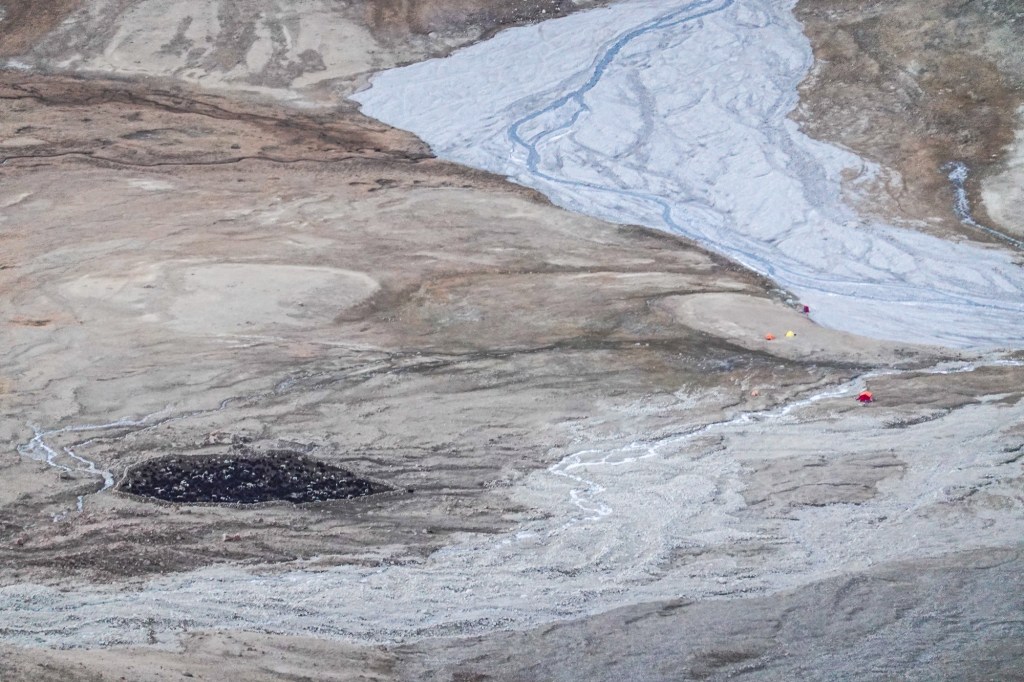
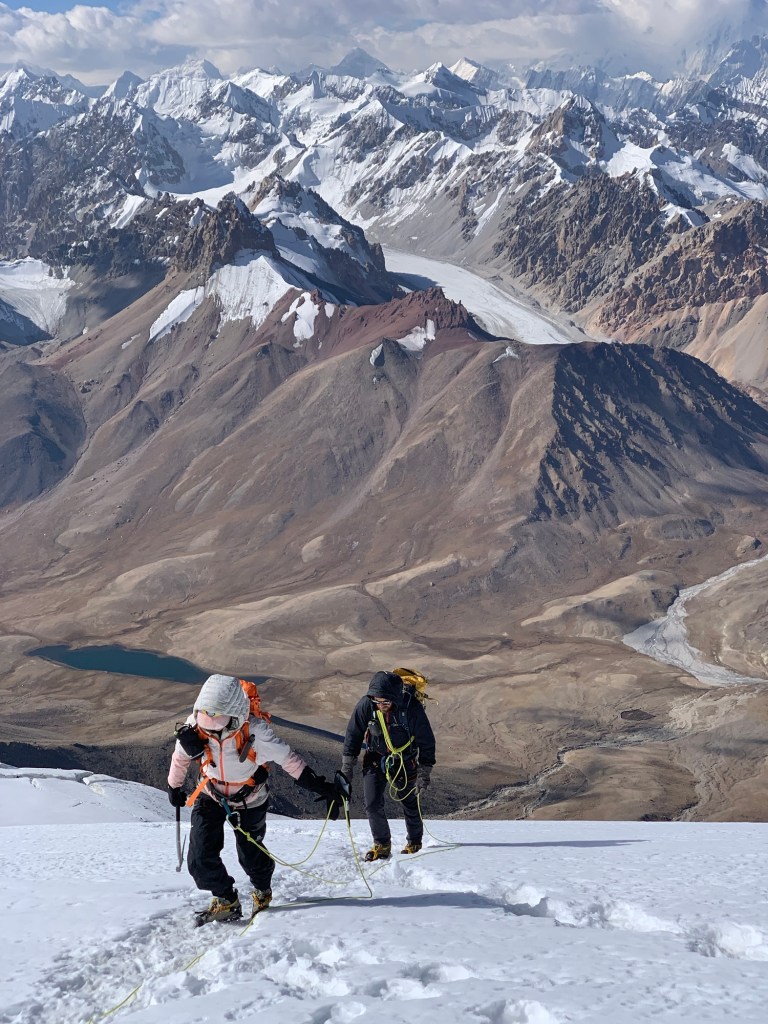
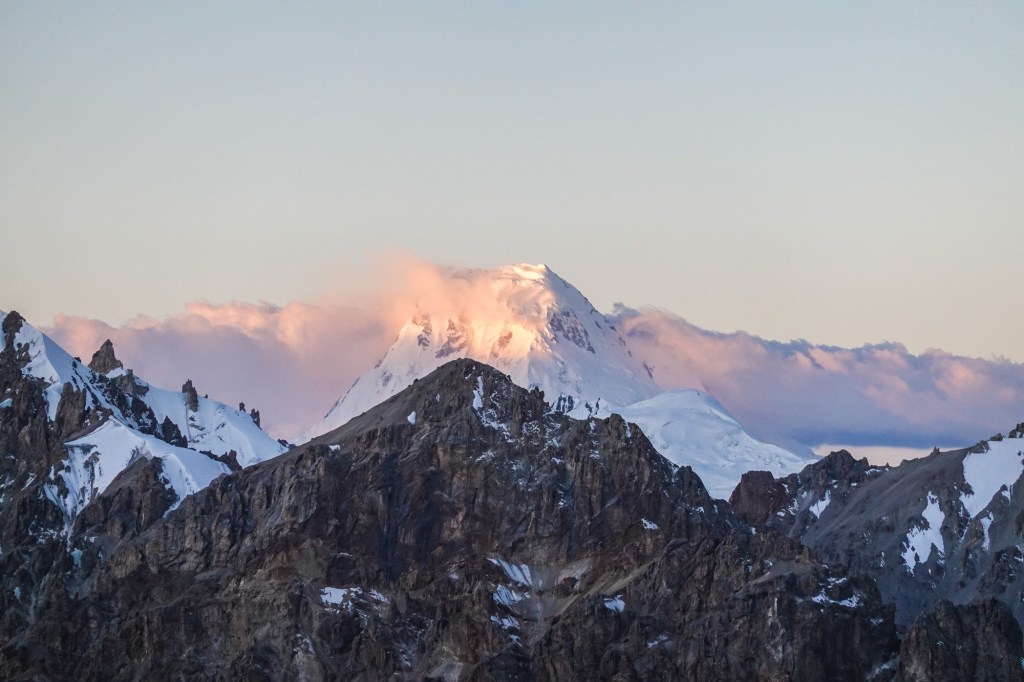
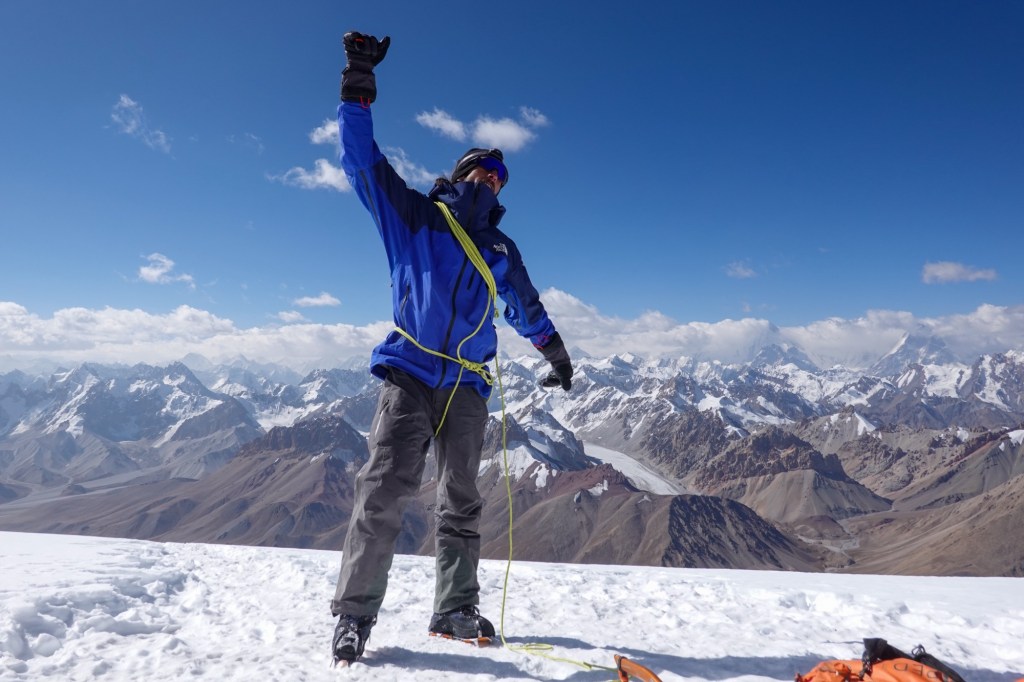
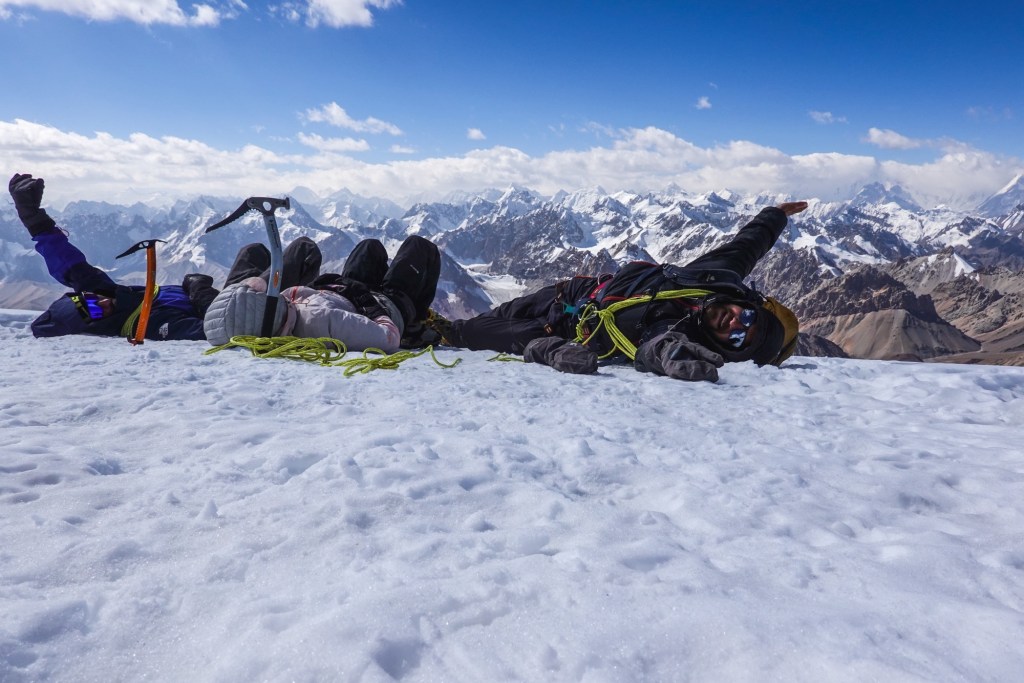
Down at the camp we relax a bit and later join the other tourist group at their camp site. A german group of which half of them lives in Austria.
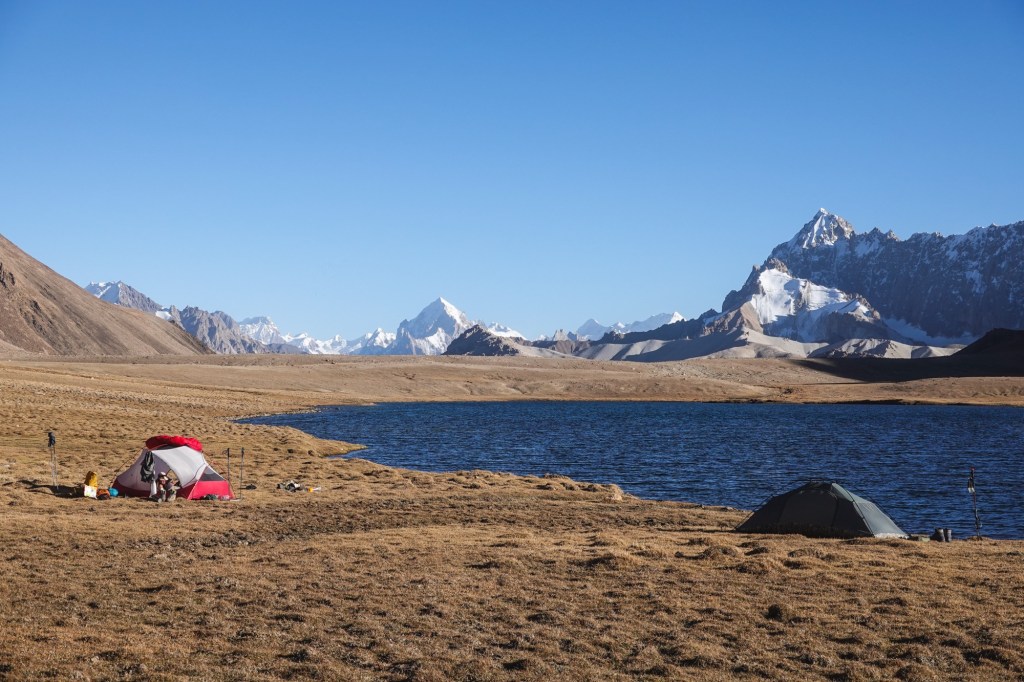
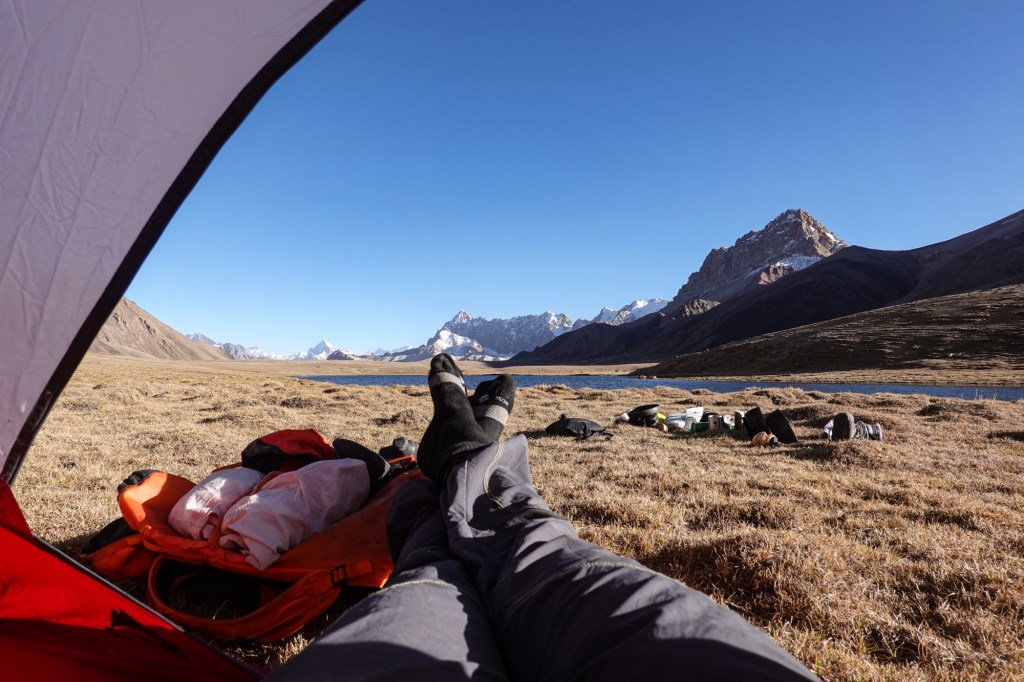
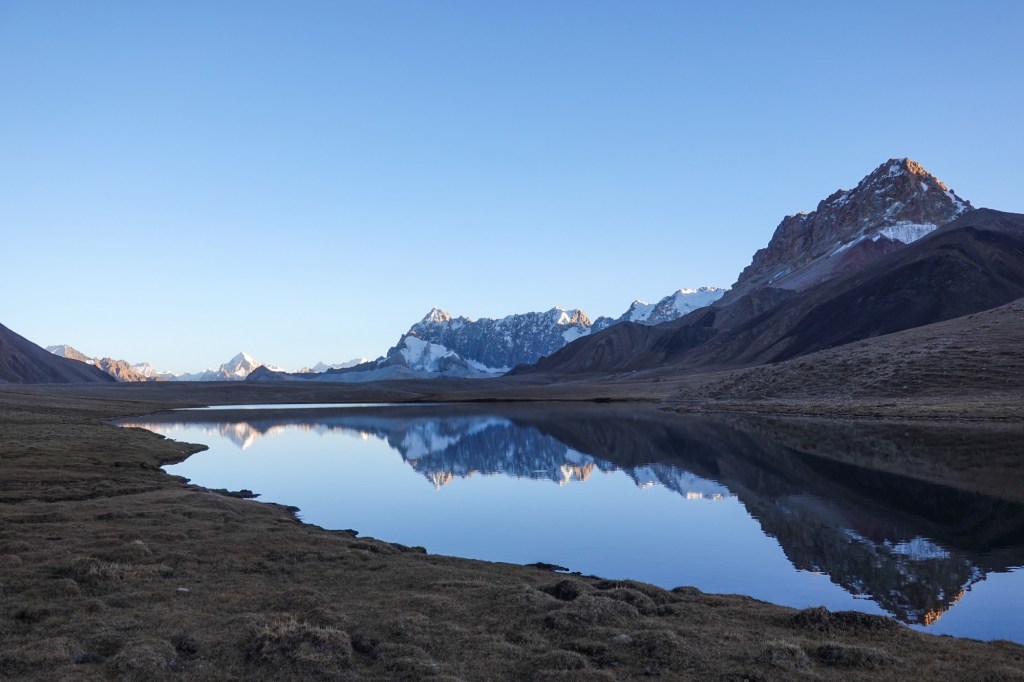
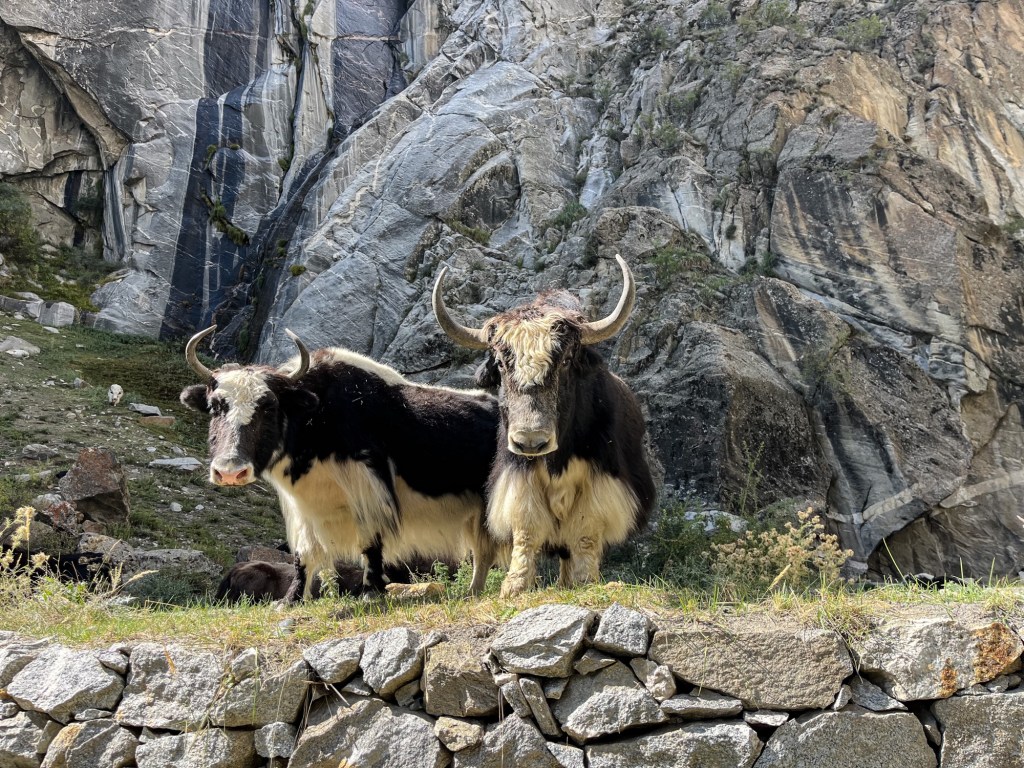
On Shimshal pass there is a small hut that serves the shepherds as well as a small settlement a bit further down the pass. On the pass live around thousand yaks and many many goats. The area is devided for grazing and the yaks- loving the cold- stay up here during winter. A few people from the village take turns to come up here and look after the yaks. The smaller ones are herded every evening in order to keep them safe. This time apparently noone from the village came, so everyone around helped out in gathering the Yaks. They have roamed out for about 10km towards the glaciers. Julia also tries to get a few Yaks to move towards the fenced area. Surprise: they did move, even when a minion person tells them to.
In the night it started snowing, the tents and the peaks are coated in white. Autumn greets us. We leave to the valley and have some fresh, delicious Paratha at the foot of the pass where a few cottages are located for storage. The way down in our newly aquired heavy hiking boots feels uncomfortable but with one camp, one more day of hiking and a few extra blisters we are happy back in Shimshal.
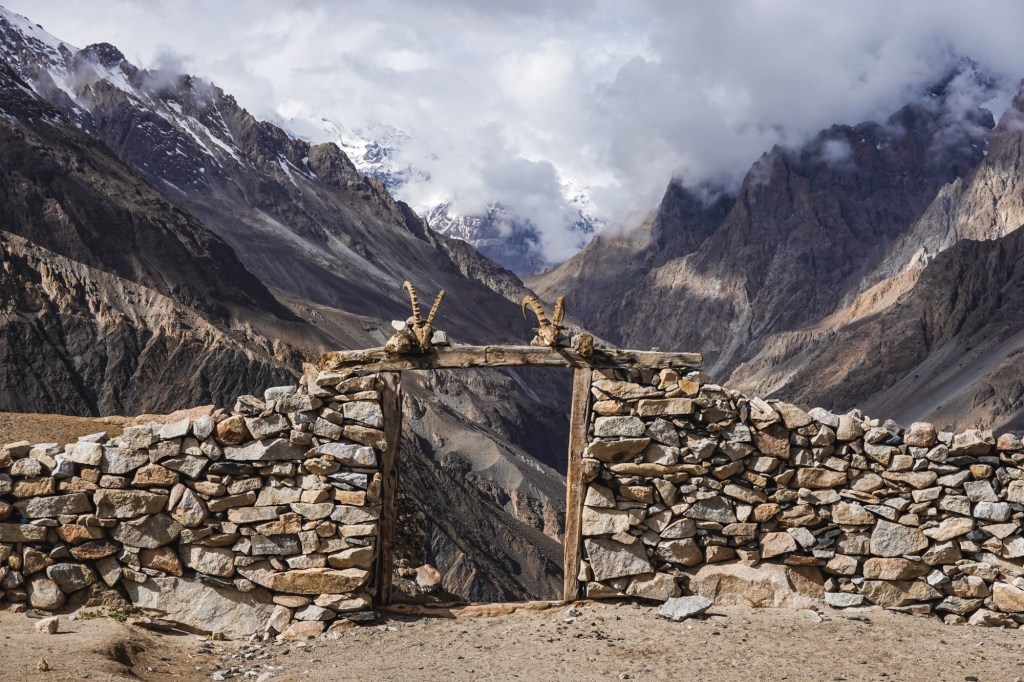
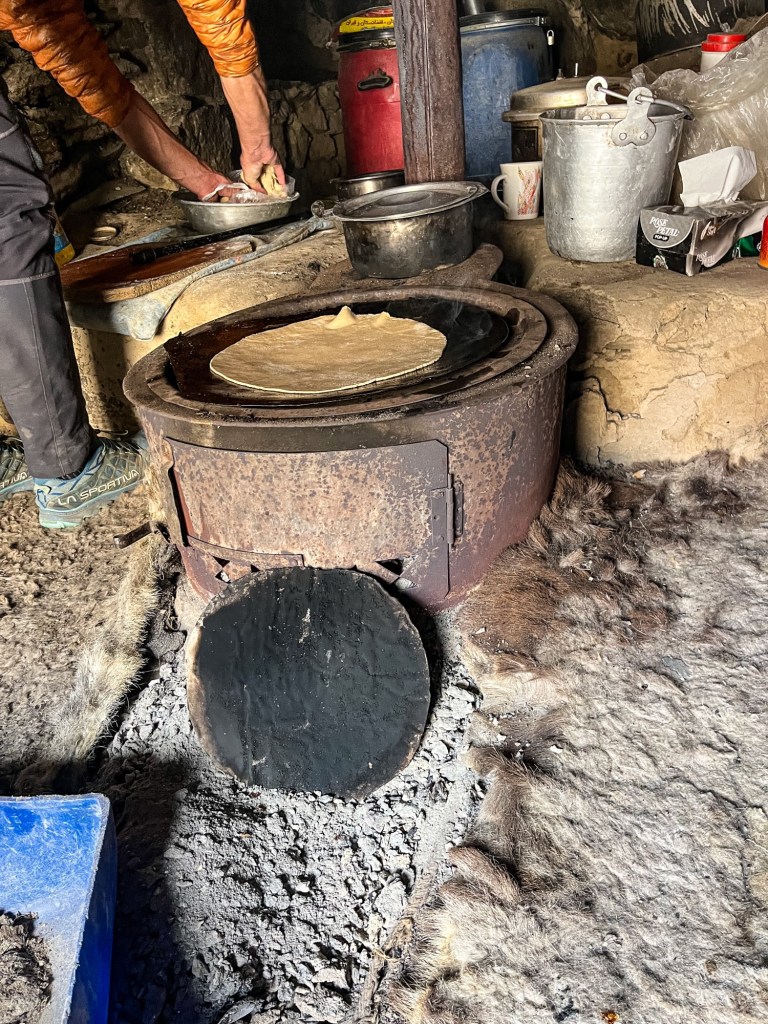
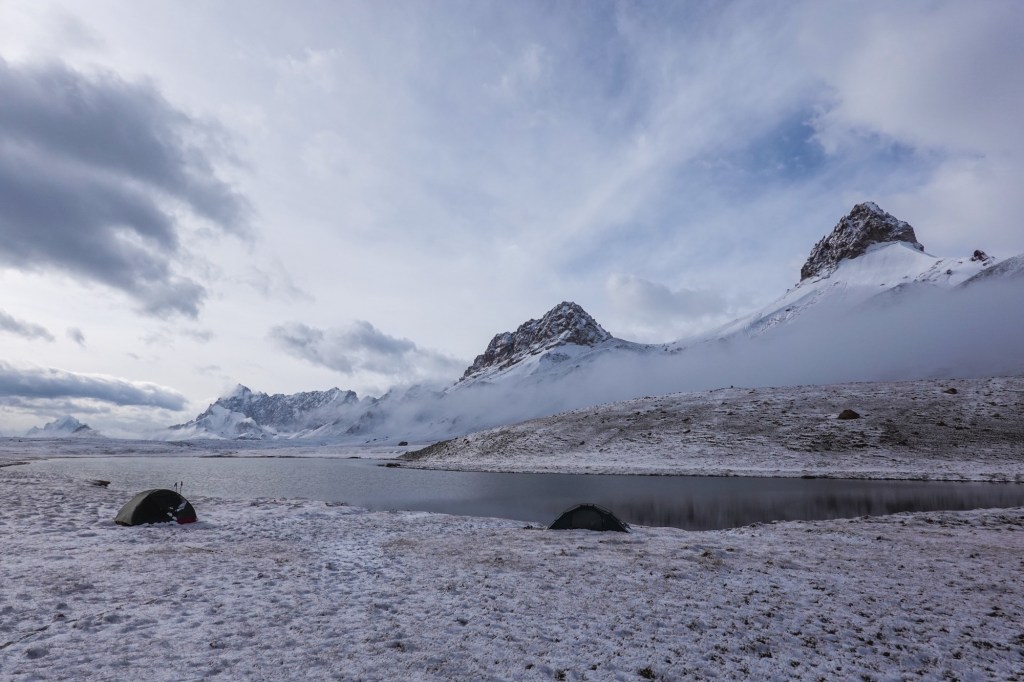
During dinner we listen to the ideas and plans that Naveed shares with us. While many young people leave the valley for the big cities, he made his decision in staying here. Building a home, growing organically grown food, establishing his tourism business. And to further explore and retreat to the sheer unlimited playground of these mountains. We hope to be back one day for skiing in this beautiful place.
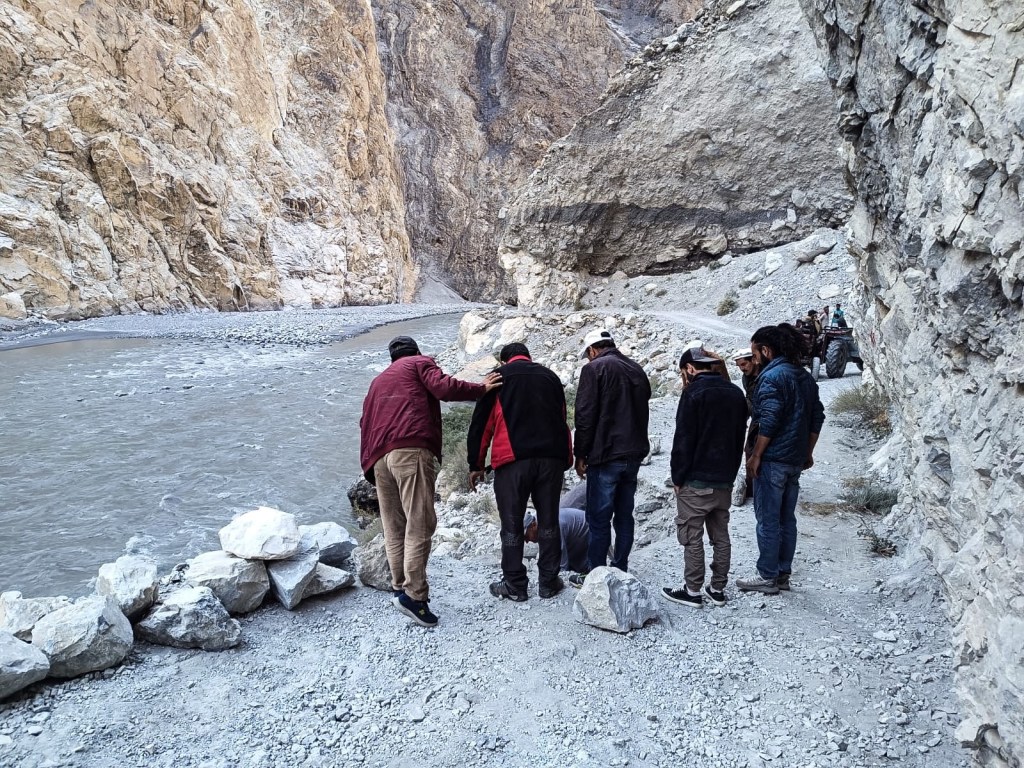
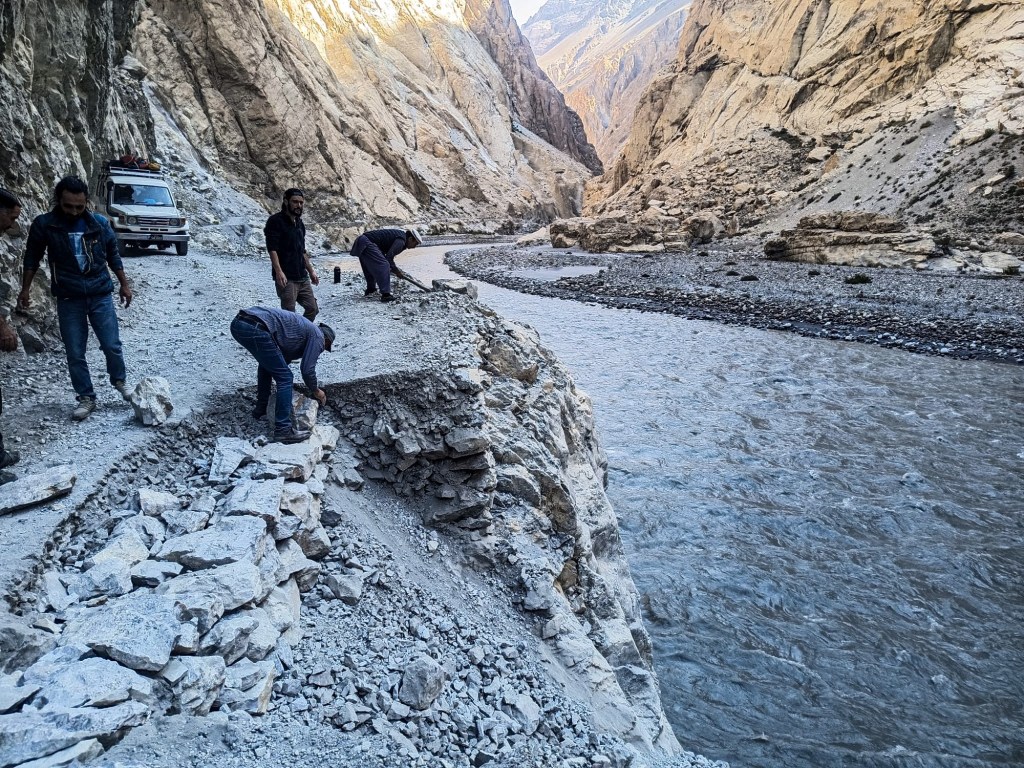
The next day we return to Hunza Valley. The fourth time the road doesn’t seem to bad anymore. Just before exiting the valley half of the road has vanished. Everyone in the car (…well all the men) roll up their sleeves and drag one stone after another to fill up the hole, together with the crew that constantly works on the road. 45minutes later: the road is repaired. That’s what you would call active community engagement, I guess.
The next day Julia ventures out for a run/hike via the water channels above Aliabad towards Ultar Basecamp.
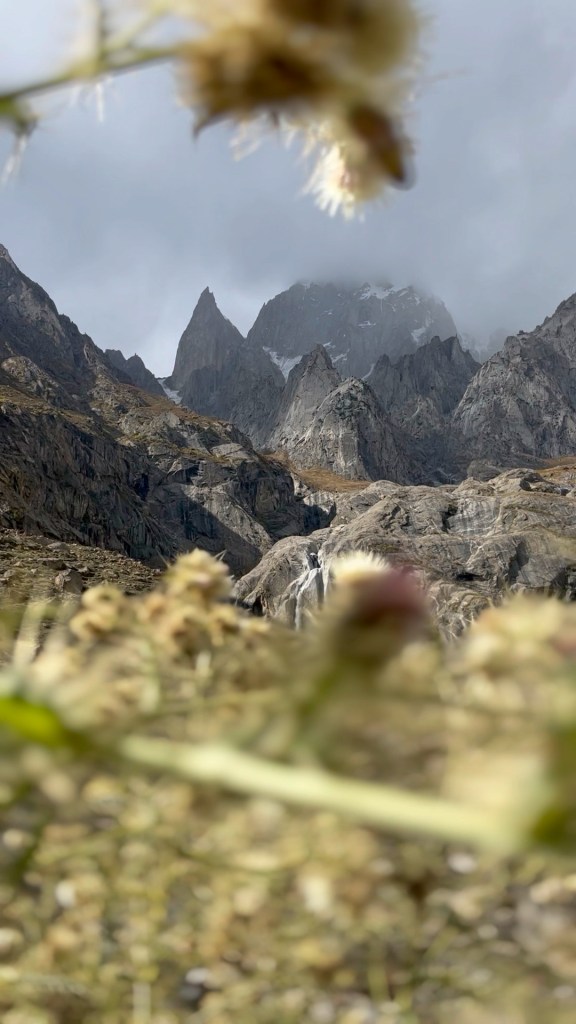
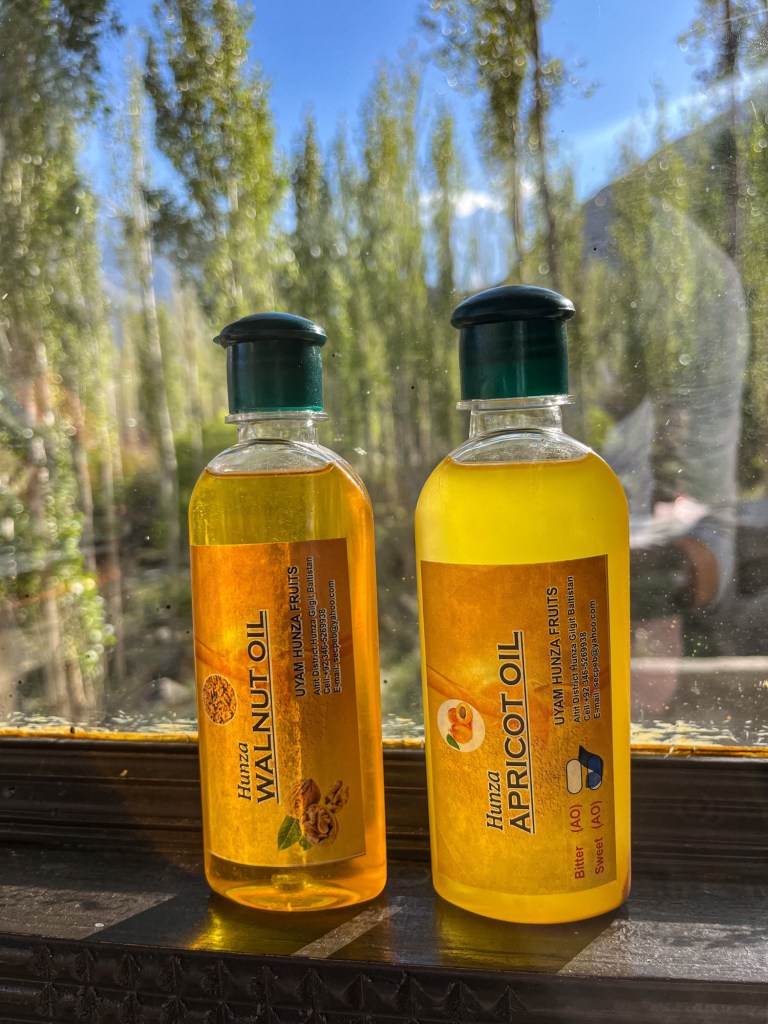
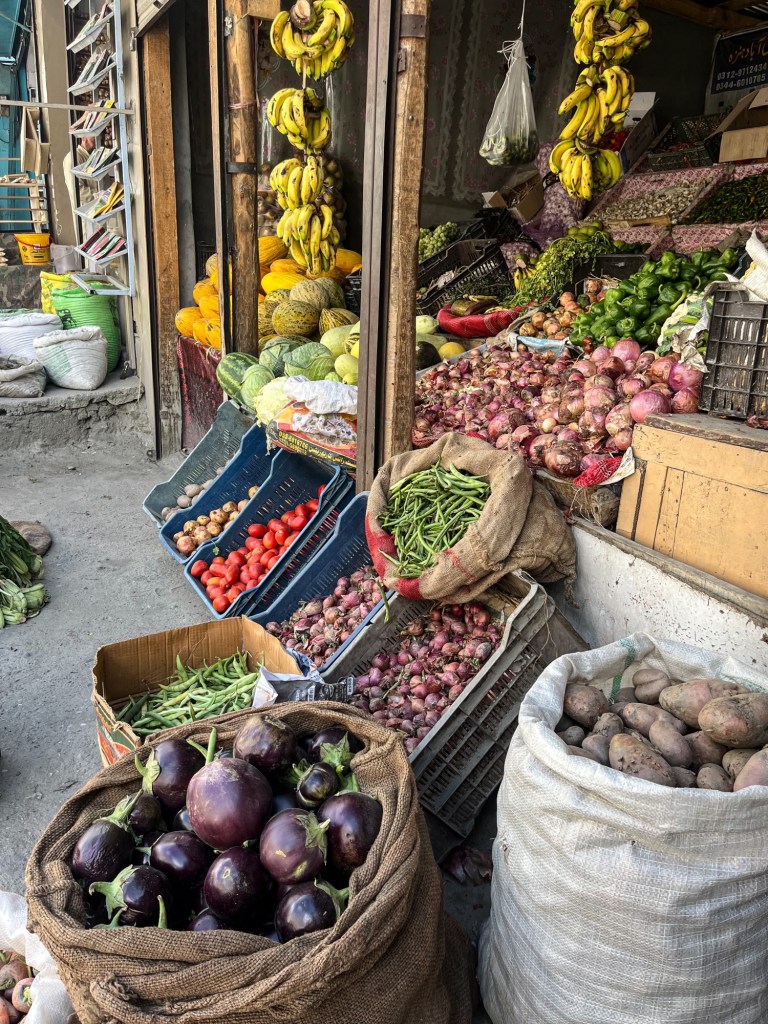
Afterwards we head out to the markets and fill our bikebags with the delicious dried fruits ands nuts. After almost two weeks we are ready to move on. Hunza valley and Shimshal, will leave a lasting impression of hospitality, unbelievable beautiful nature and many opportunities.
Our Path
Pakistan: more hiking – less biking: 212km | 2640 altitude meters
 Woanders
Leave a comment